Our Services
Roofing Services Los Angeles, CA
USA Premier Roofing is your trusted partner for professional residential and commercial roofing services in Los Angeles. Our experienced team delivers top-tier repairs, replacements, and installations, providing expert solutions with professional care to meet the specific requirements of every roofing project.
Quality Roofing Services You Can Trust
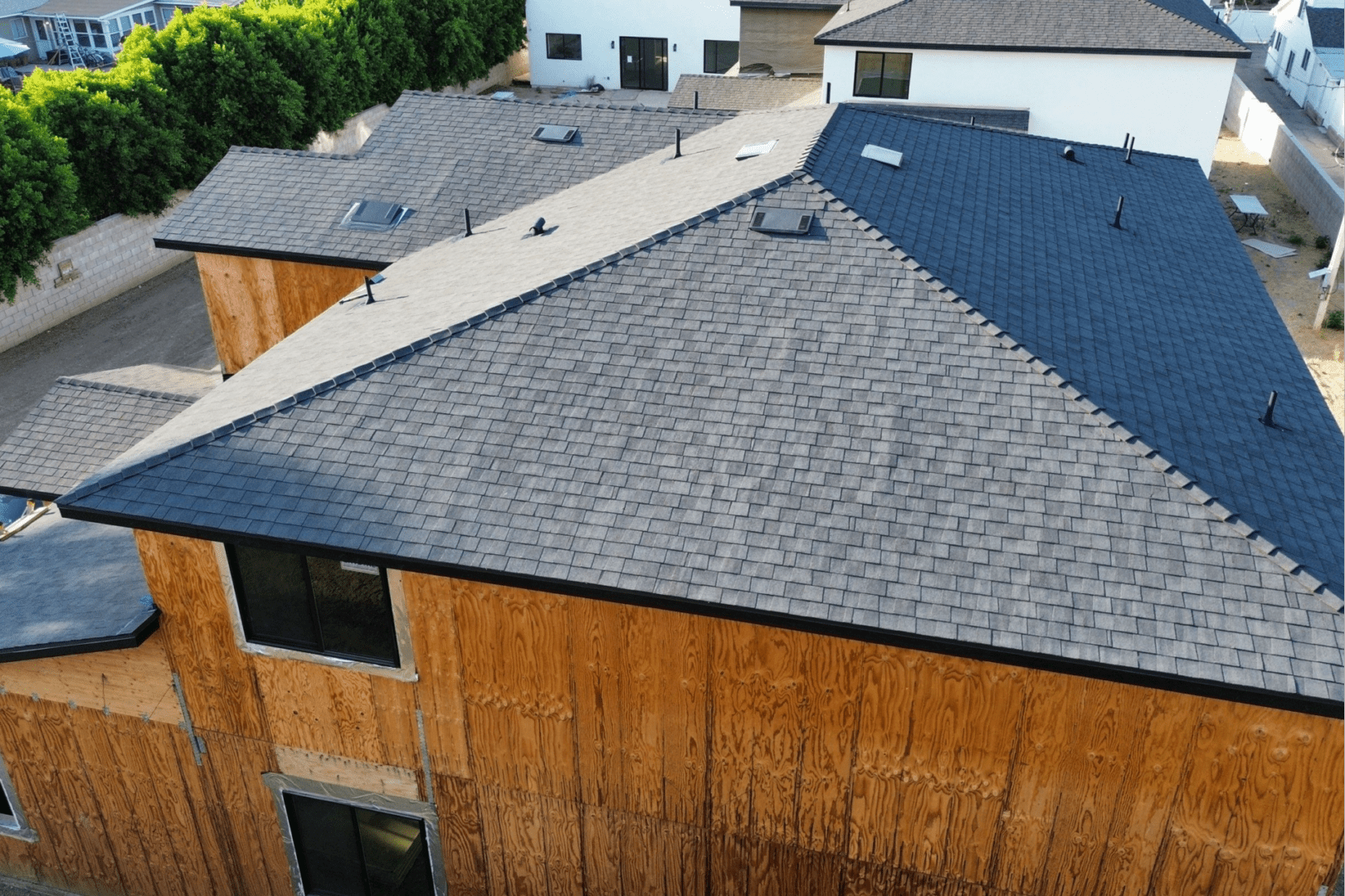
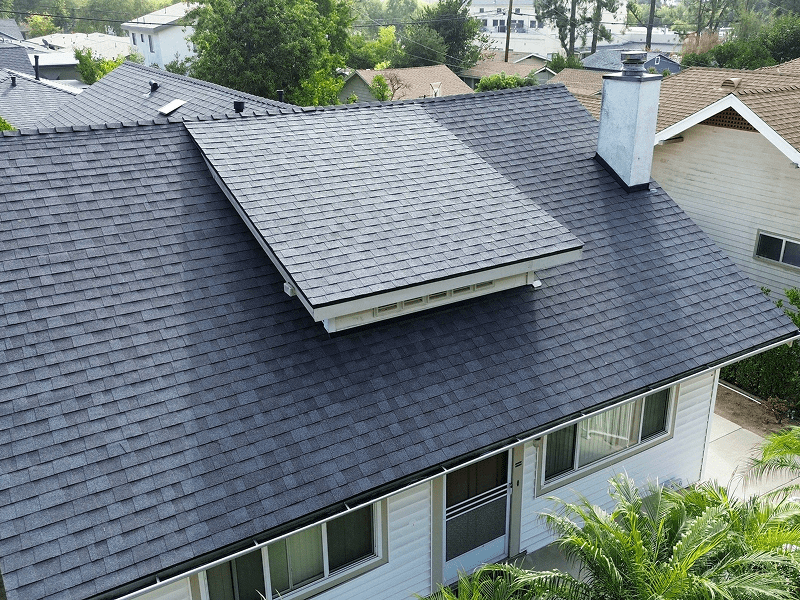
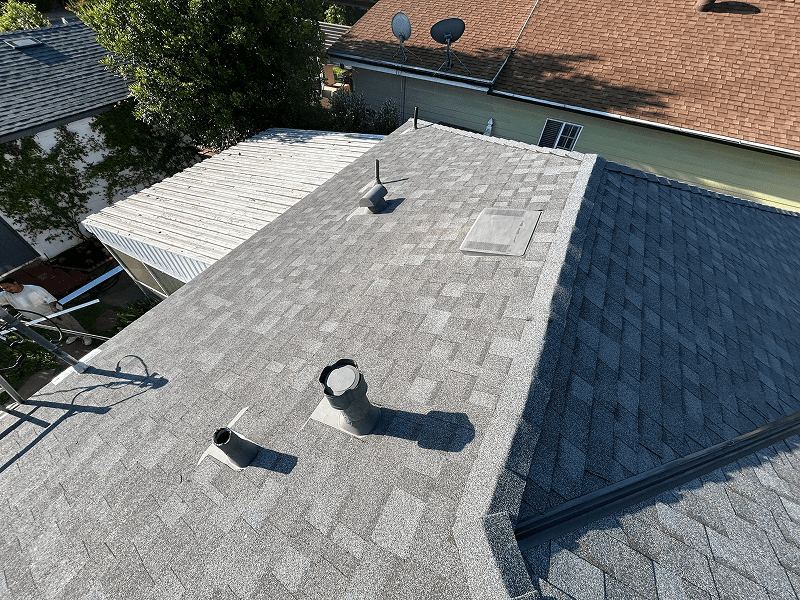
Residential Roofing Services
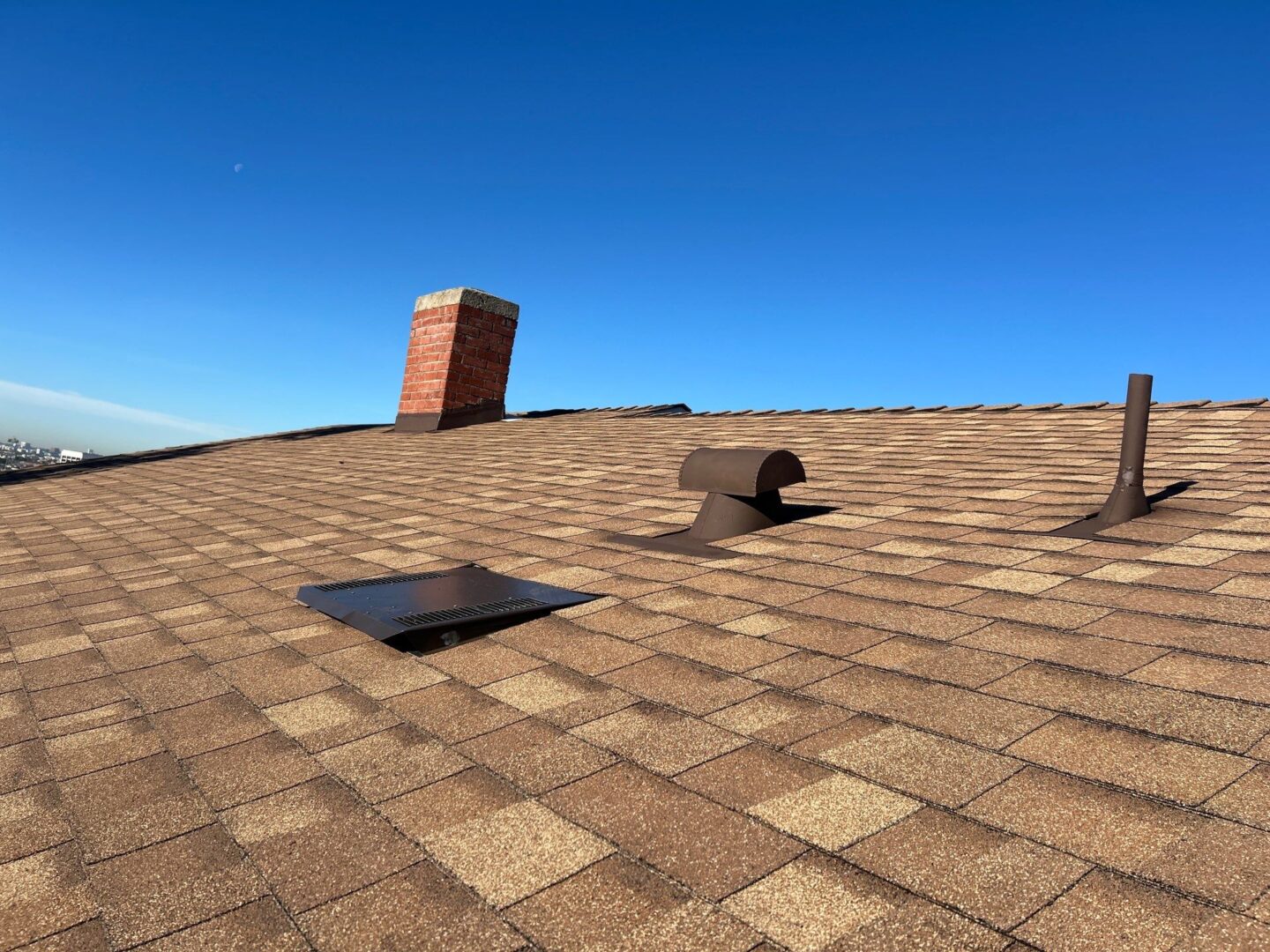
Your roof does more than cover your home—it protects everything underneath it. USA Premier Roofing provides professional residential roofing services in the Greater Los Angeles area...
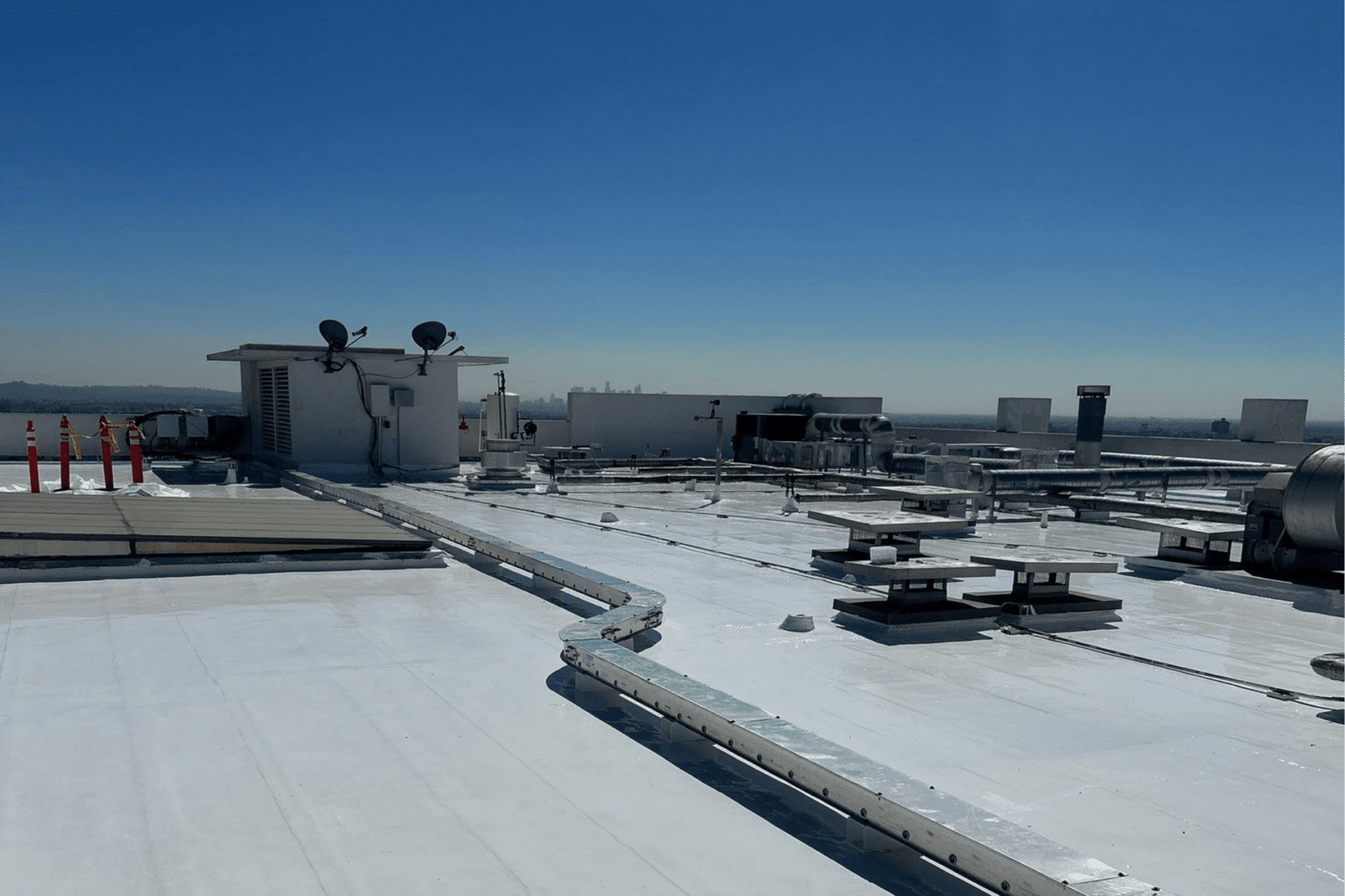
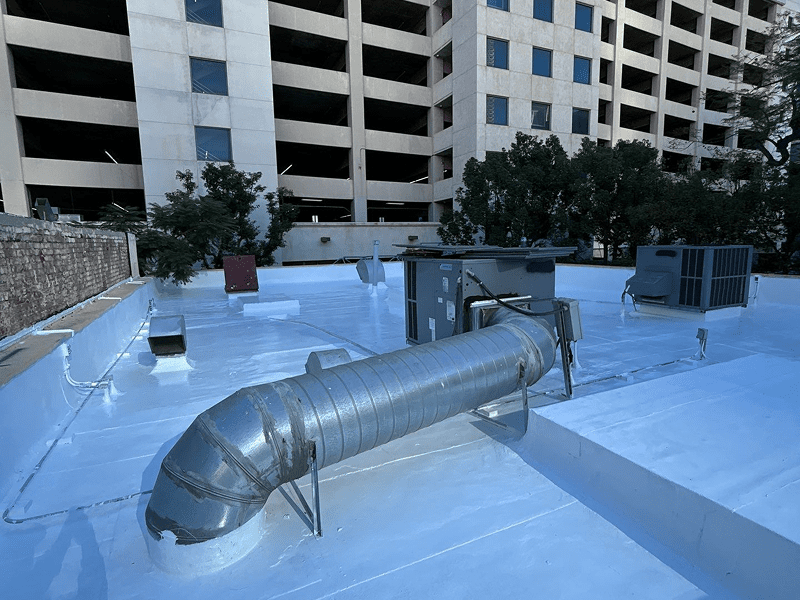
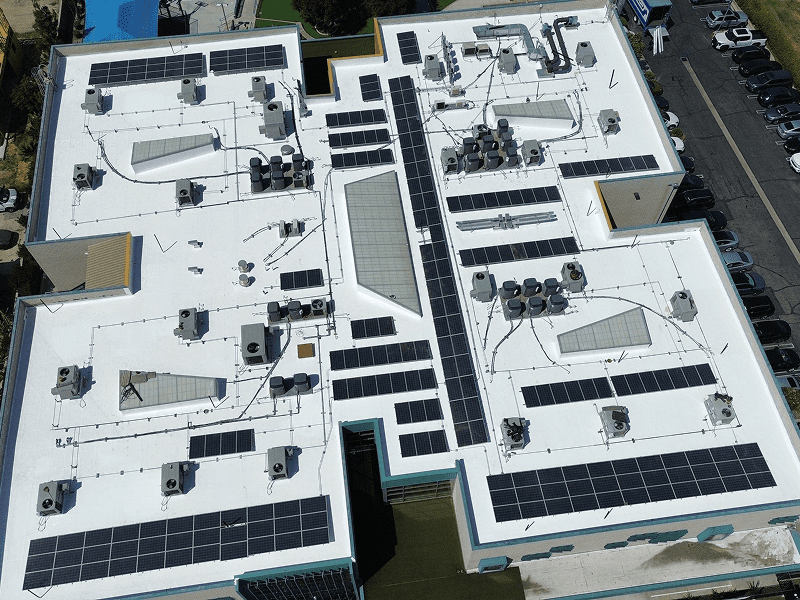
Commercial Roofing Services
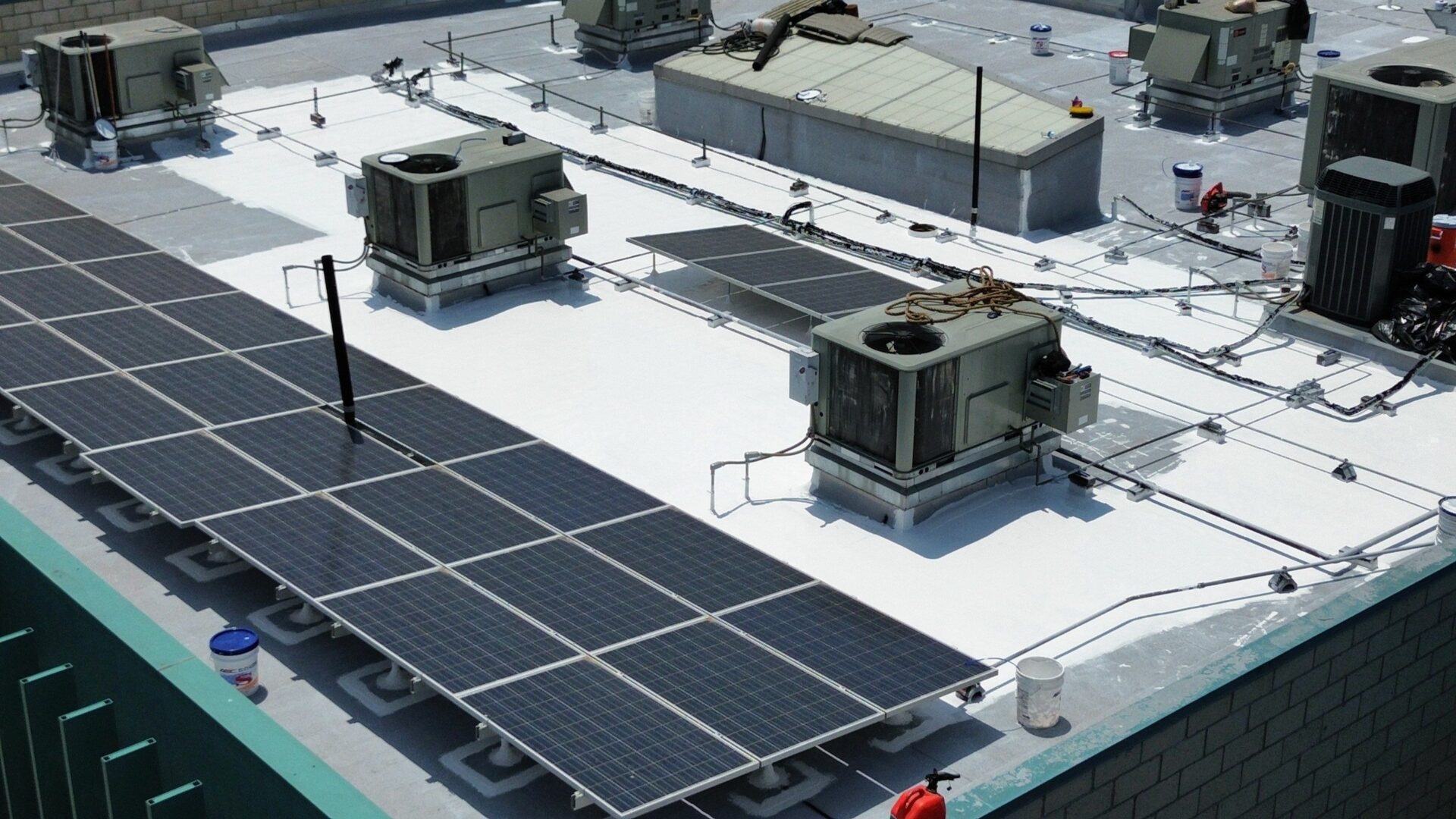
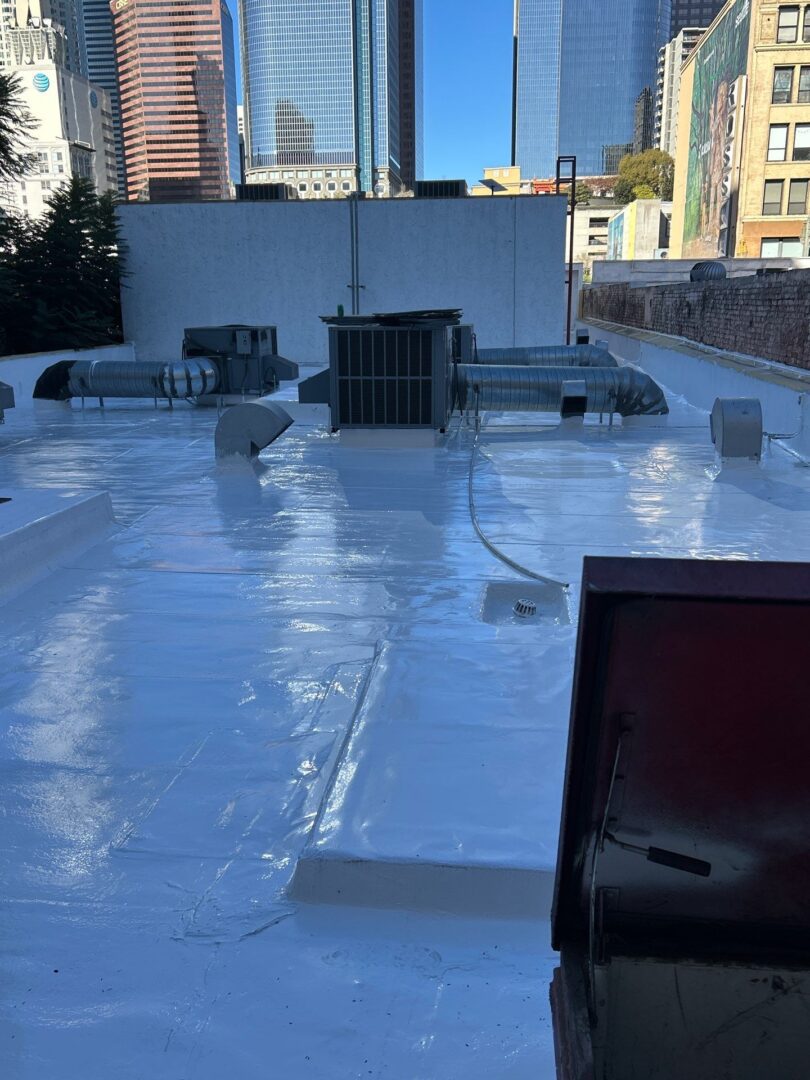
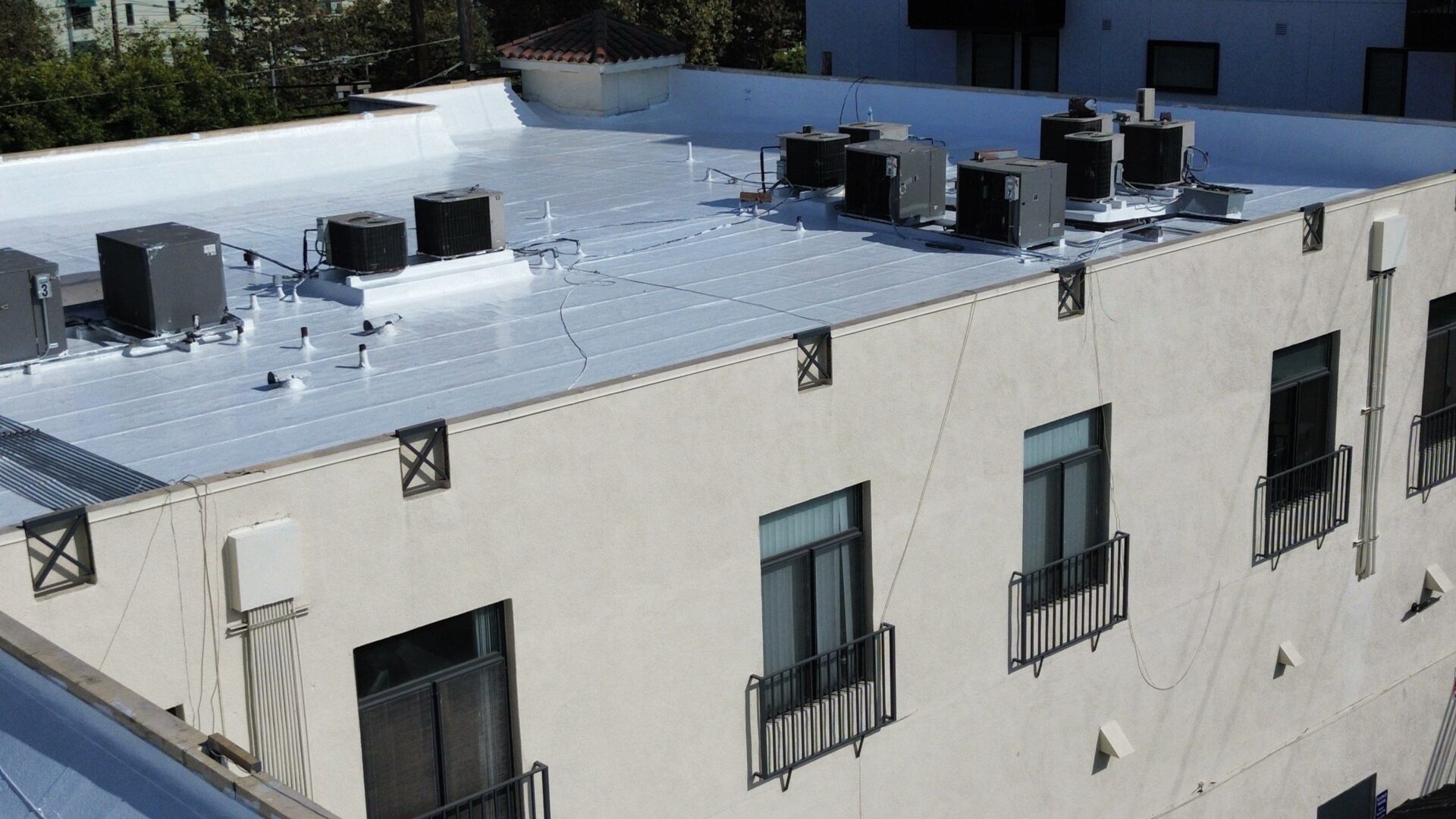
Protect your building, tenants, and operations with commercial roofing solutions built for performance and reliability. USA Premier Roofing provides expert commercial roofing services ...
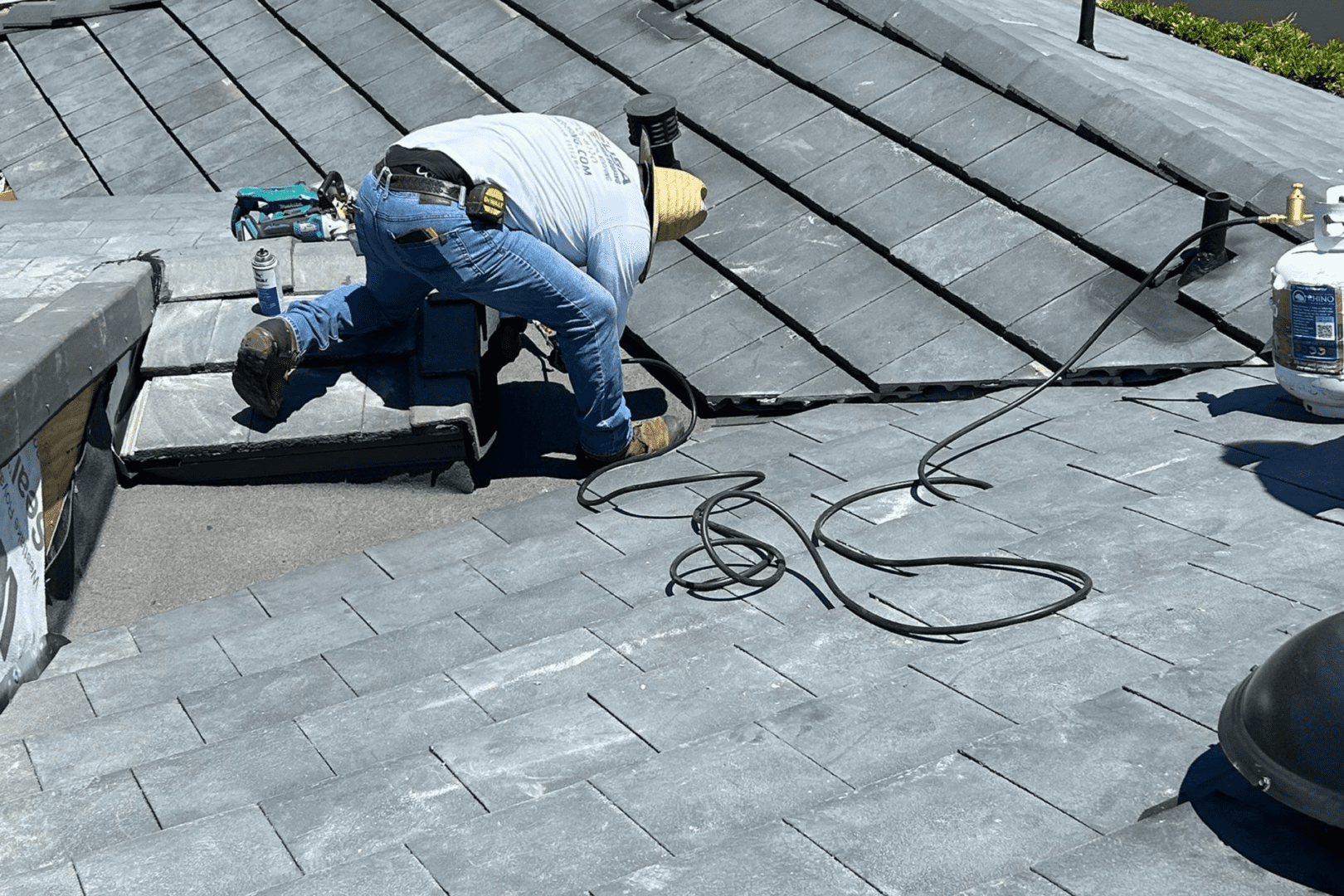
Emergency Repair Services
When a roof leak or sudden damage happens, fast action matters. USA Premier Roofing provides prompt, reliable emergency roof repair services to help stop active leaks...
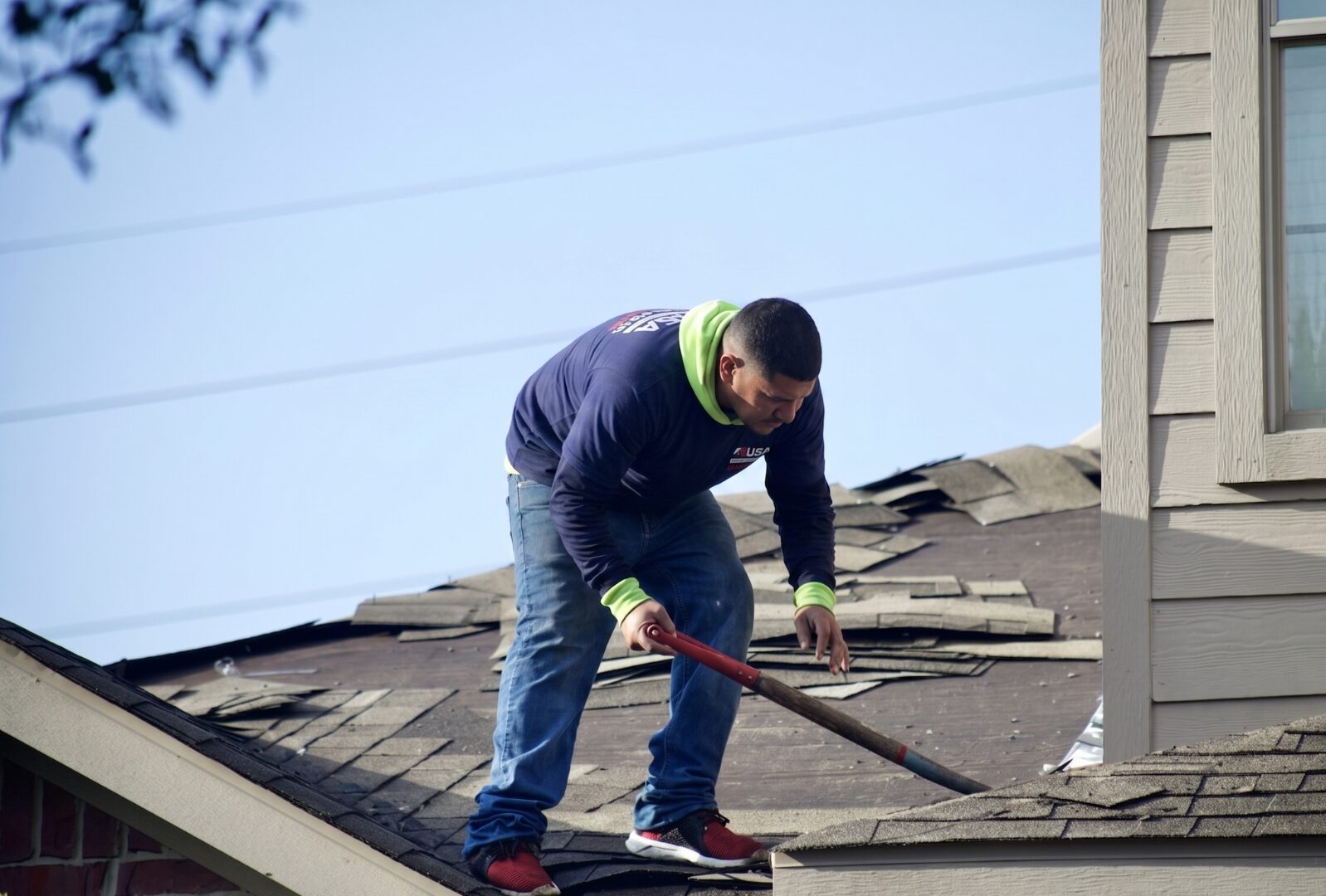
Roof Inspection Services
A professional roof inspection can catch small issues before they turn into costly repairs. USA Premier Roofing provides thorough roof inspection services in the Greater Los Angeles area...
Common Roofing Problems
Roofing Issues You Shouldn’t Ignore
Your roof usually gives warning signs before a major failure happens. The key is catching problems early—before a small repair turns into interior damage, mold, or structural work. Below are some of the most common roofing issues homeowners and property owners face.
1. Roof Leaks & Water Damage
A roof leak is one of the most common—and most urgent—roofing problems. Leaks can be caused by damaged shingles, cracked flashing, failed sealant, worn-out pipe penetrations, or pooling water on low-slope areas.
Even a small leak can lead to bigger problems if ignored, including:
- stained ceilings and walls
- damaged insulation
- wood rot in the roof deck or framing
- mold and mildew growth
Why It Matters: Water intrusion often spreads beyond the visible drip, so the source of the leak may be different from where you see the damage inside.
2. Missing or Damaged Shingles
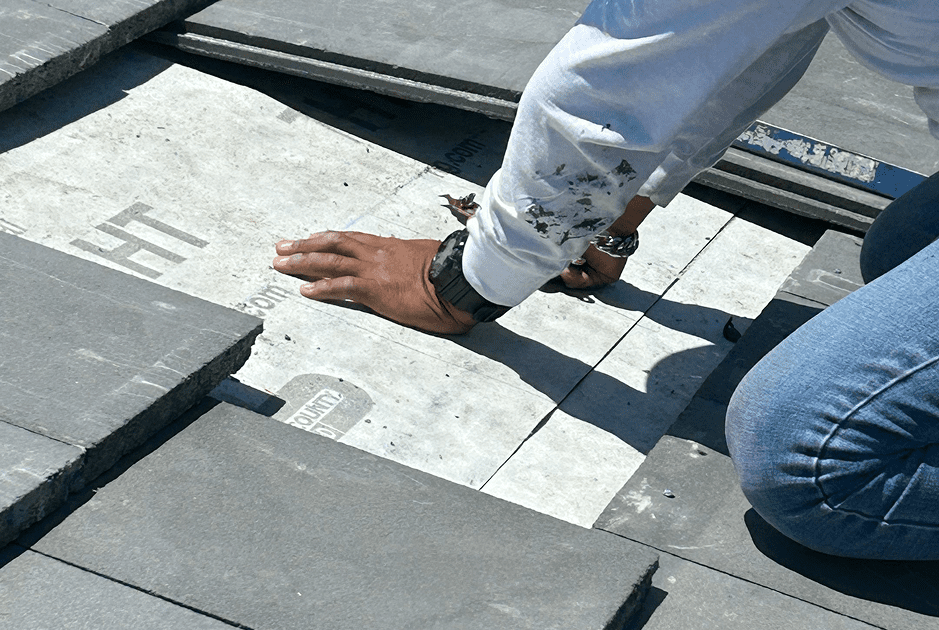
Shingles can become loose, crack, curl, or go missing entirely due to age, weather exposure, or poor installation. This leaves the underlying layers of the roof exposed to moisture and environmental damage.
Common issues caused by damaged shingles include:
- increased risk of leaks
- reduced weather resistance
- uneven roof appearance
- faster deterioration of surrounding shingles
Why It Matters: Missing or damaged shingles compromise your roof’s first line of defense, allowing water to penetrate deeper into the structure.
3. Poor Roof Ventilation
Proper ventilation allows heat and moisture to escape from your attic. Without it, heat buildup and trapped moisture can damage roofing materials and affect indoor comfort.
Signs of poor ventilation may include:
- excessive heat in the attic
- warped or aging shingles
- condensation buildup
- higher energy bills
Why It Matters: Inadequate ventilation can shorten the lifespan of your roof and lead to moisture-related issues like mold and rot.
4. Clogged or Damaged Gutters
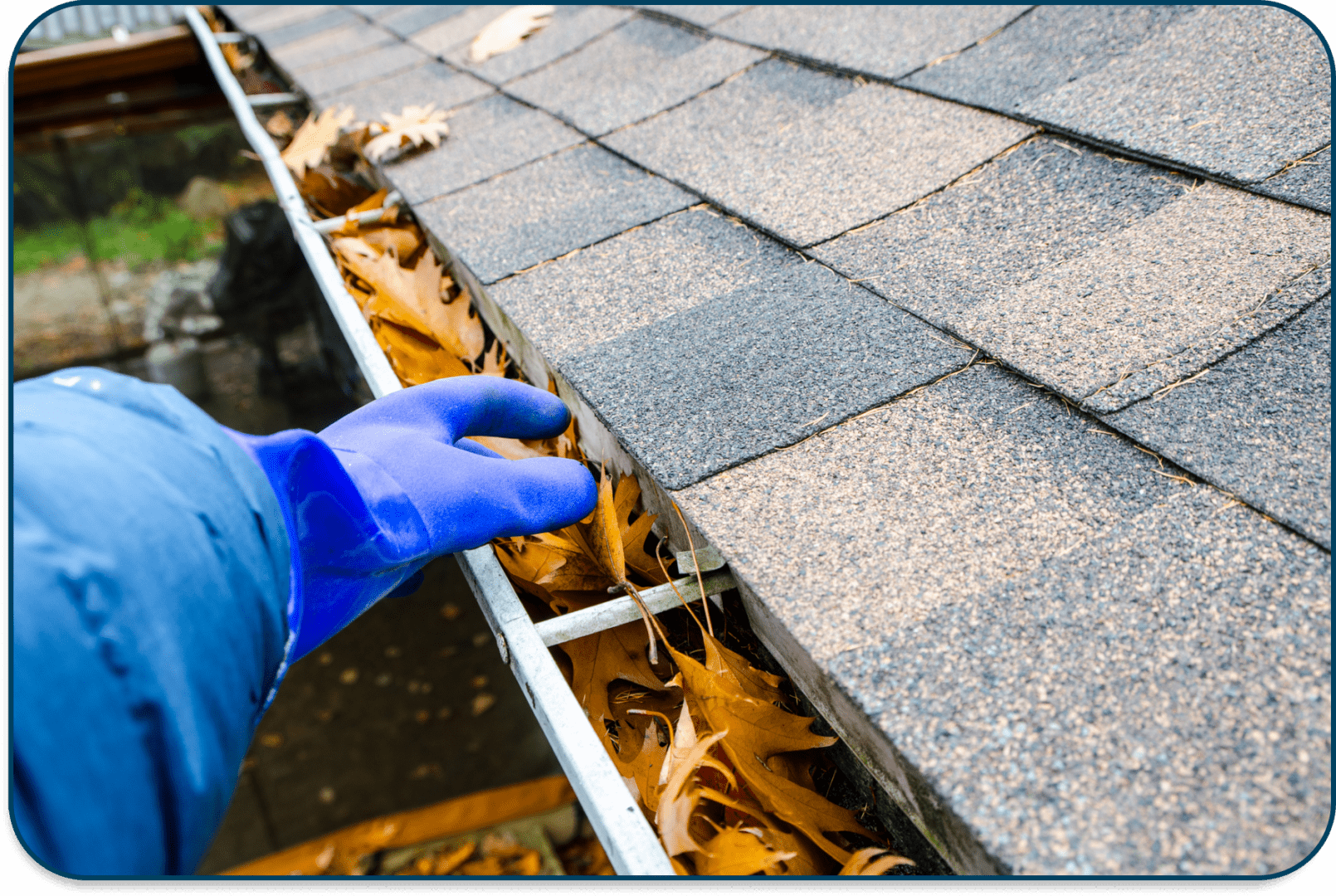
Gutters are designed to direct water away from your roof and foundation. When they become clogged with debris or damaged, water can back up onto the roof.
This can result in:
- standing water on the roof
- fascia and soffit damage
- leaks near roof edges
- foundation issues over time
Why It Matters: Proper drainage is essential. Blocked gutters can cause water to pool and seep into areas it shouldn’t.
5. Flashing Failures
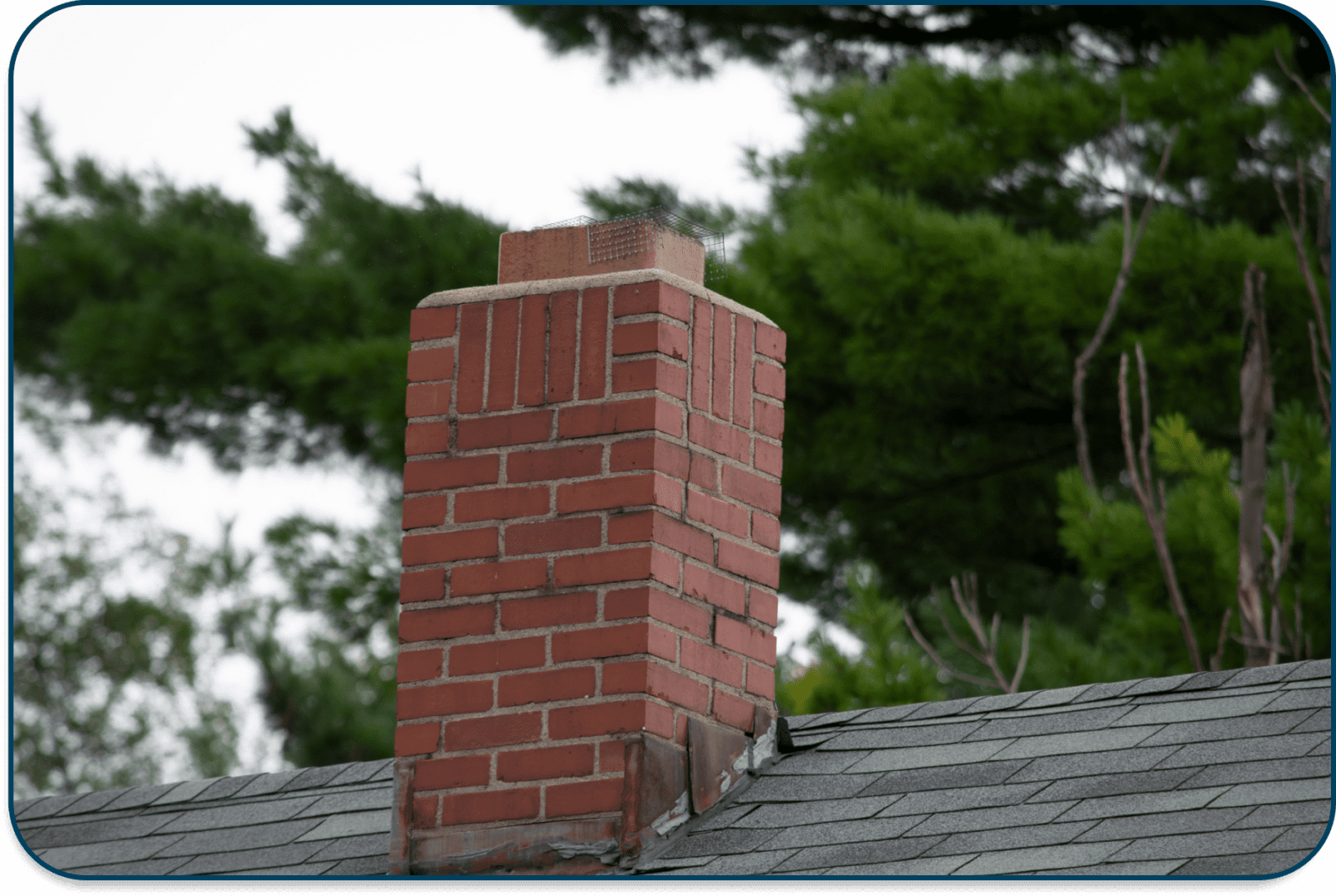
Flashing is used to seal joints and prevent water from entering around chimneys, vents, skylights, and roof edges. Over time, flashing can crack, corrode, or loosen.
Common signs of flashing issues include:
- leaks near roof penetrations
- visible rust or cracks
- loose or lifted metal pieces
- water stains near chimneys or vents
Why It Matters: Flashing is a critical barrier against water intrusion. When it fails, leaks often follow quickly.
6. Ponding Water on Flat Roofs
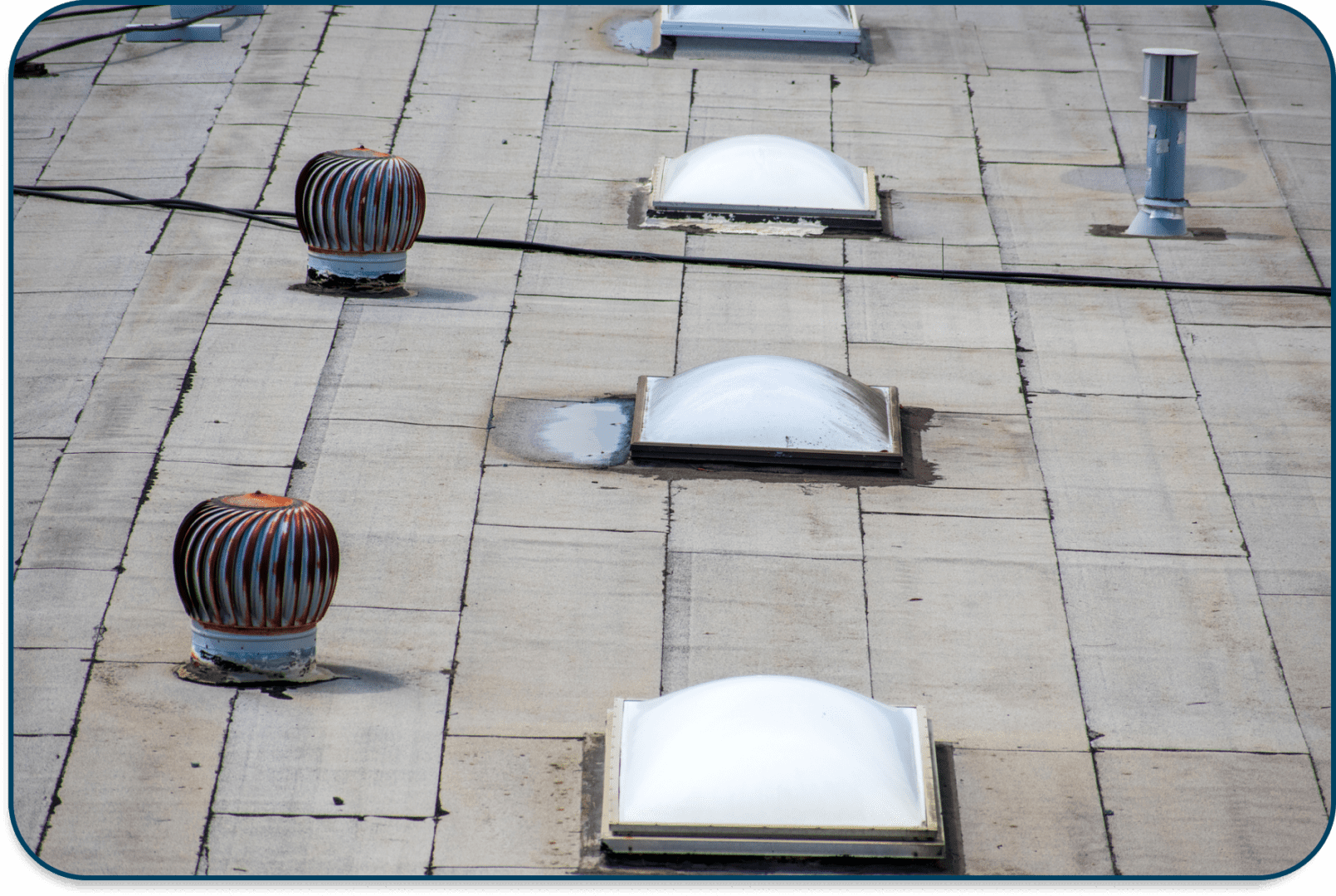
Flat or low-slope roofs are especially prone to water pooling, also known as ponding. This occurs when water does not drain properly after rain.
Potential problems include:
- increased weight on the roof structure
- faster material deterioration
- higher risk of leaks
- algae or mold growth
Why It Matters: Standing water accelerates wear and can lead to structural damage if not addressed.
7. Roof Shrinkage
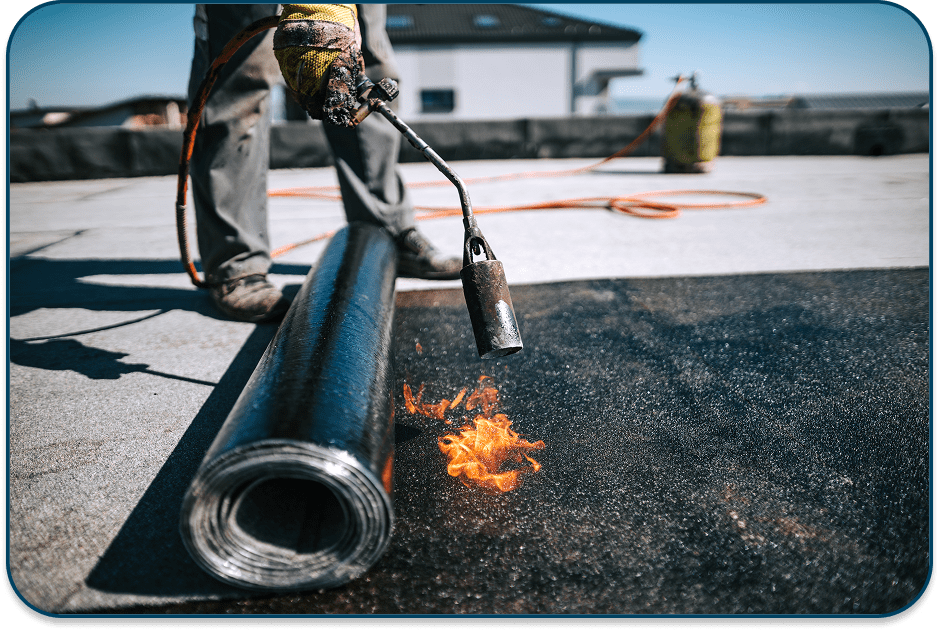
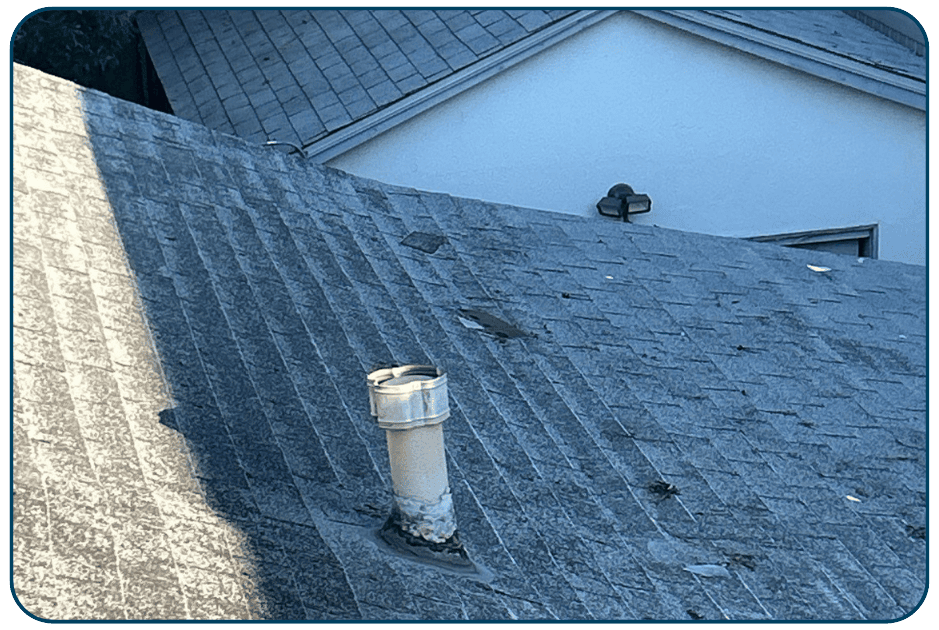
Certain roofing materials, especially on flat roofs, can shrink over time due to weather exposure and aging. This can cause tension and damage to the roofing system.
Shrinkage may lead to:
- cracks in the roofing membrane
- pulling at seams and flashing
- exposed underlayment
- increased vulnerability to leaks
Why It Matters: As materials shrink, they can create openings that allow water to enter and compromise the roof’s integrity.
8. Tree Damage & Debris Impact
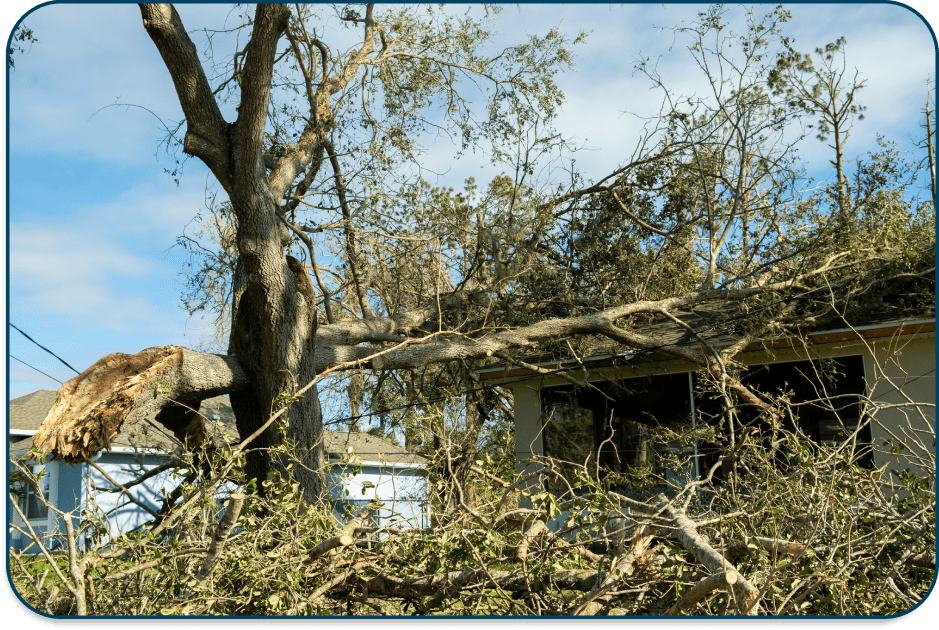
Overhanging branches and falling debris can cause physical damage to roofing materials. During storms, this risk increases significantly.
Common issues include:
- punctured or cracked shingles
- blocked gutters from leaves
- accumulation of debris on the roof
- scratches or surface damage
Why It Matters: Even minor impact damage can weaken roofing materials and lead to long-term problems if not cleared or repaired.
9. Improper Installation
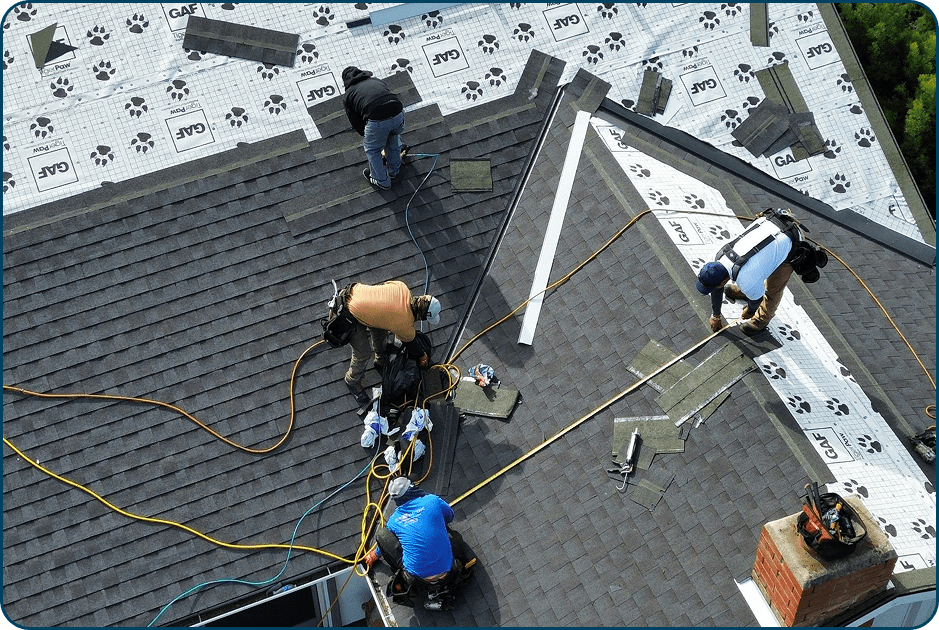
A roof is only as good as its installation. Poor workmanship can lead to a wide range of issues, even if high-quality materials are used.
Problems caused by improper installation include:
- misaligned shingles
- inadequate sealing
- poor flashing placement
- early roof failure
Why It Matters: Installation errors can significantly reduce the lifespan of your roof and lead to recurring issues that require ongoing repairs.
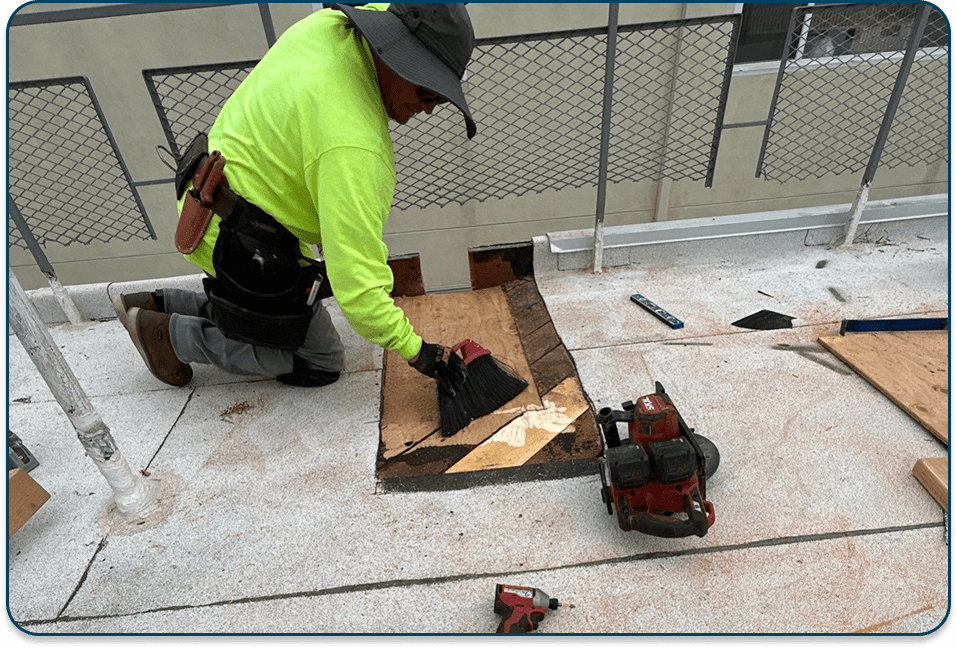
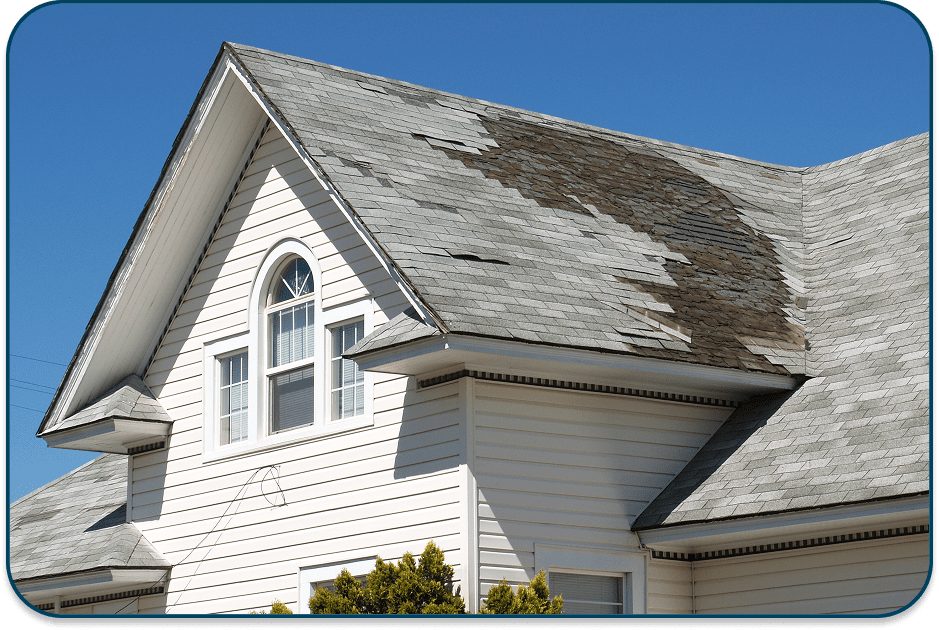
10. Aging and General Wear
All roofs naturally deteriorate over time due to constant exposure to the elements. Aging materials lose their ability to protect effectively.
Signs of an aging roof include:
- faded or brittle shingles
- frequent minor repairs
- increased energy inefficiency
- visible wear across large areas
Why It Matters: As your roof ages, it becomes more vulnerable to damage, making timely maintenance or replacement essential to avoid larger issues.
Types of Roofs We Install
Gallery