Types of Roof We Install
Asphalt Shingle Roofing
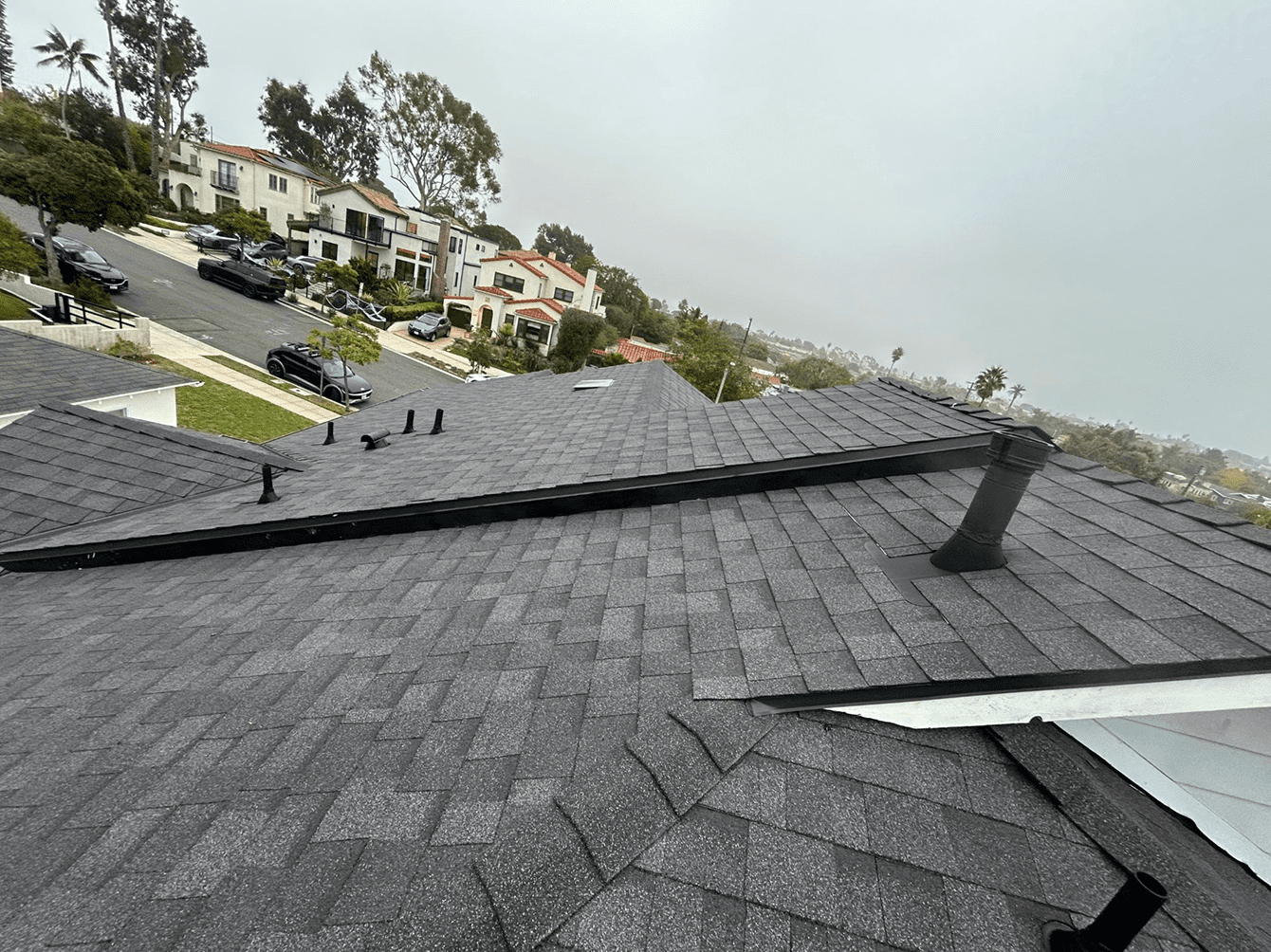
Asphalt shingles are one of the most popular roofing options because they offer a strong balance of durability, curb appeal, and value. We handle full tear-offs and replacements, as well as new installations, with careful attention to the details that prevent leaks—proper underlayment, step flashing at walls, correctly installed pipe flashings, and clean ventilation planning. Shingles come in a wide range of colors and profiles, and many modern “architectural” shingles are designed to better resist wind and improve the overall look of the roof. Whether your roof is near the end of its lifespan, has recurring leaks, or has widespread wear from sun exposure, we’ll recommend the right shingle system for your home and install it to manufacturer.
Tile Roofing (Cement and Clay)
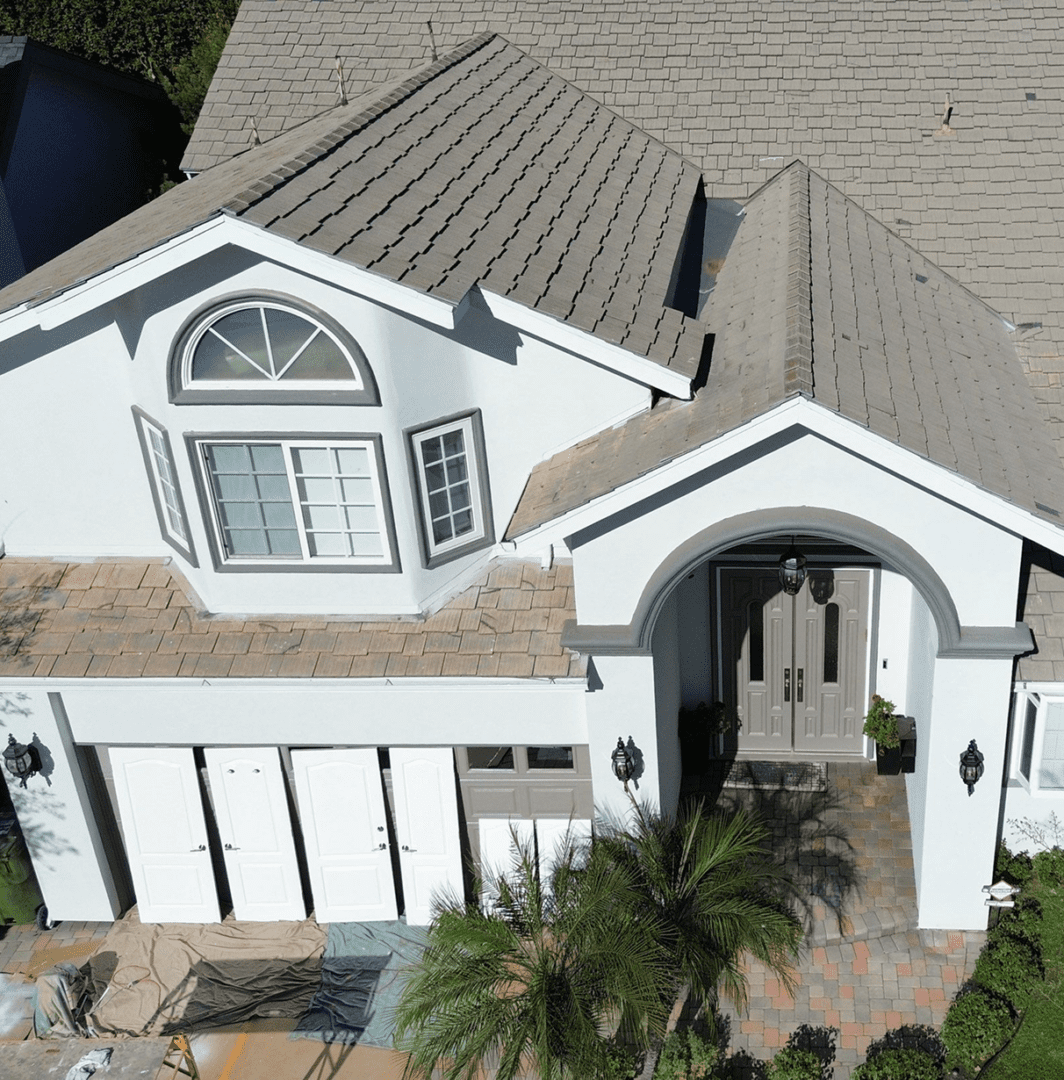
Tile roofs are known for their long service life and distinctive look, but the roof’s waterproofing depends heavily on what’s underneath the tile. In many cases, the tiles are still in decent shape while the underlayment and flashings have aged out—so a lift and relay can be the ideal solution: we carefully remove the tiles, install new waterproofing and updated flashings, then reinstall the tiles and replace any that are broken. When tile damage is more widespread, a full replacement can be the more reliable long-term option. As a general guideline, if broken tiles are limited (often under ~10–15%), lift-and-relay is commonly a strong choice when matching tiles are available and the remaining tiles aren’t brittle. As breakage increases (often ~15–25%), replacement may start to make more sense for consistency and longevity, and with extensive breakage (often 25%+) or discontinued/brittle tile, full replacement is frequently recommended. We work with both cement and clay tile, focusing on critical leak-prone areas like valleys, sidewalls, chimneys, skylights, and transitions to ensure the system performs as intended.
Torch-Applied Capsheet Roofing
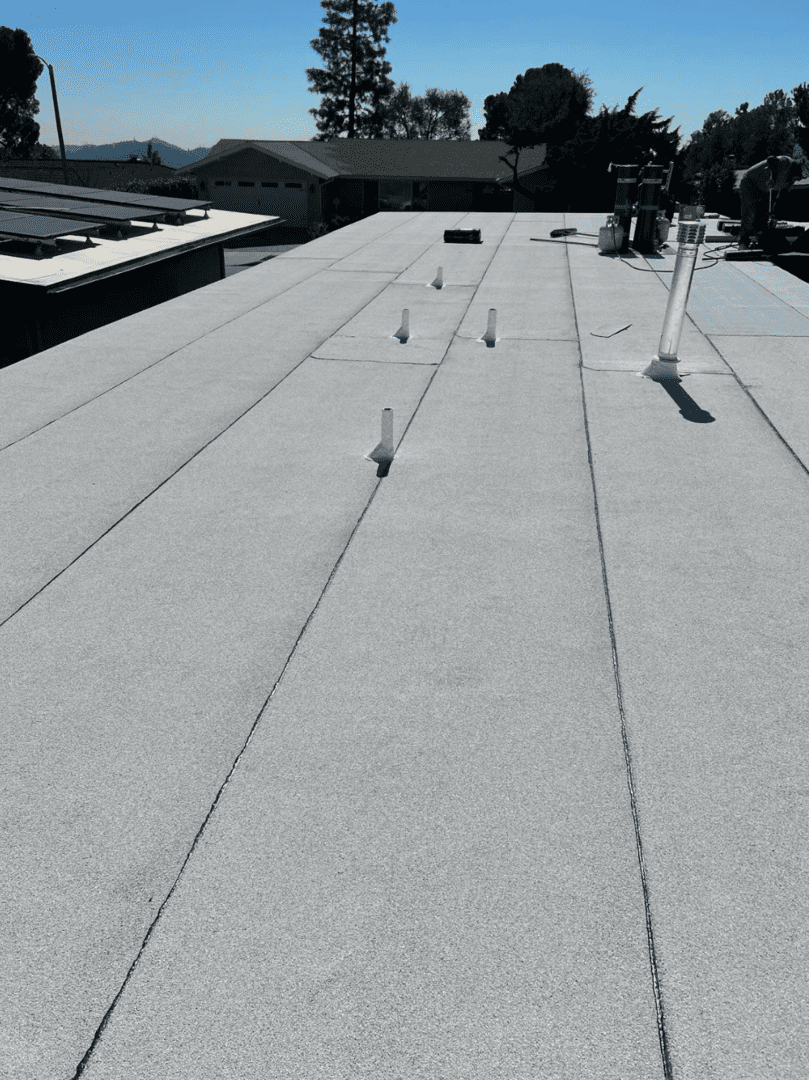
Torch-applied capsheet is a premium solution for low-slope and flat roof areas, especially where you want a tough, heat-welded membrane system. This type of roof is installed in layers typically a base sheet and a cap sheet—then the seams are fused together using a torch so they become one continuous, watertight surface. It’s commonly used on flat roof sections, balcony decks, and along walls where shingles or tile roofs transition into low-slope areas. When installed correctly, it provides strong puncture resistance, dependable waterproofing, and excellent performance around penetrations like pipes and drains. We also focus heavily on proper wall flashings and terminations (where the roof meets vertical surfaces), because those details are what separate a roof that lasts from one that becomes a recurring leak issue.
Roof Coating
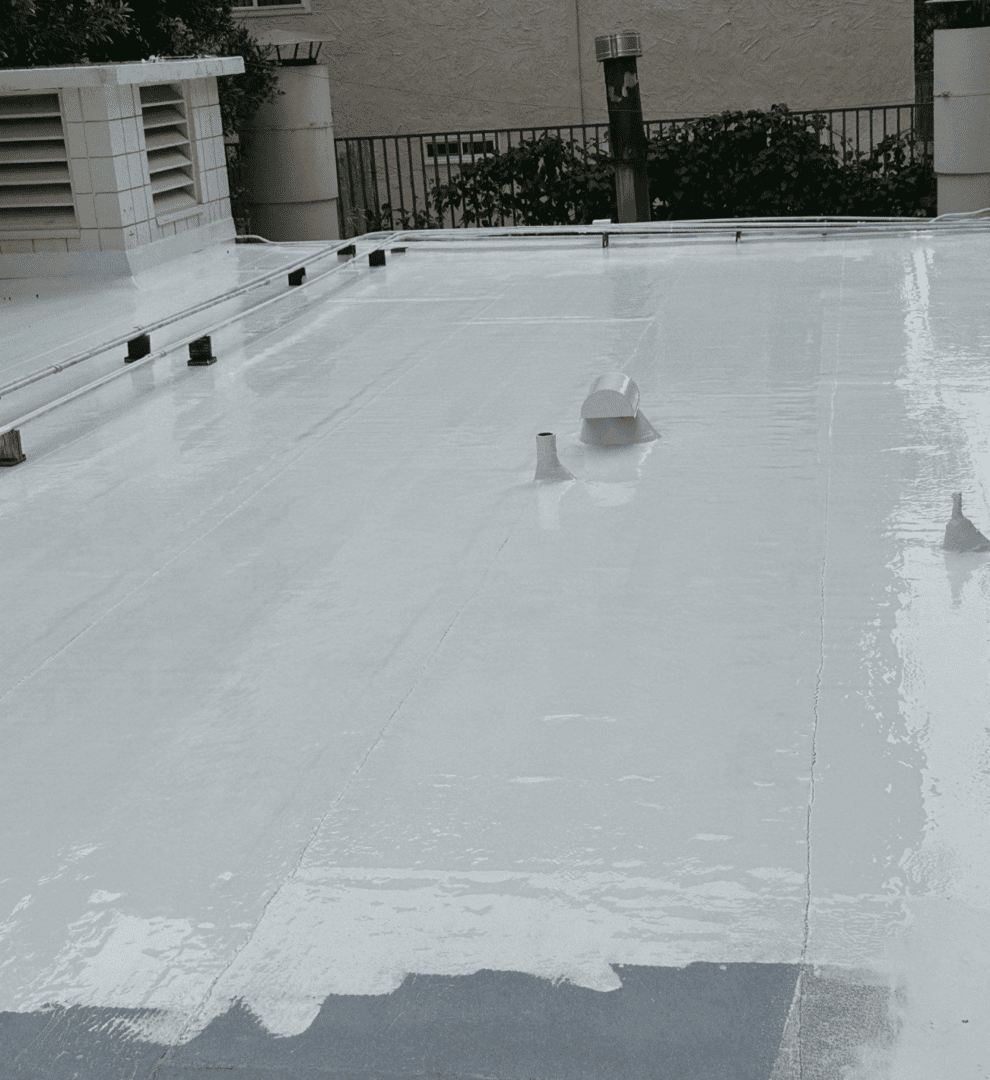
In Los Angeles and across Southern California, constant UV exposure and high surface temperatures can age a flat or low-slope roof faster than many people expect—drying out materials, stressing seams, and accelerating cracking around penetrations. A properly installed roof coating system is designed to protect and extend the life of an existing roof when the structure is still sound. We start with thorough preparation cleaning, drying, addressing any saturated areas, and reinforcing vulnerable spots like seams, drains, scuppers, and penetrations with the appropriate sealants and fabric. Then we apply a high-performance reflective coatin—often silicone in conditions where UV and occasional ponding water are concerns—at the correct thickness for long-term durability. The result is a seamless, waterproof top layer that helps reduce heat absorption, improves weather resistance, and slows down day-to-day wear from sun and thermal movement. Coatings aren’t a shortcut for failed roofs, but when the roof is a good candidate, they’re one of the most effective ways to add years of service life in SoCal’s climate.