Why Choose Torch-Applied Roofing for a Low-Slope Commercial Roof?
A commercial roof in Los Angeles must handle strong sun, heat, rooftop equipment, and sudden rain. Flat and low-slope buildings need a system that protects seams, drains, edges, and penetrations where water can enter. For many properties, torch down roofing provides durable, layered protection through a torch-applied commercial roofing system.
These systems use modified bitumen membranes that are bonded with controlled heat. They are common on warehouses, retail buildings, offices, apartment properties, and industrial facilities. However, the system must match the building. Roof condition, drainage, deck type, daily operations, and safety needs all affect the final choice.
How Torch-Applied Roofing Works
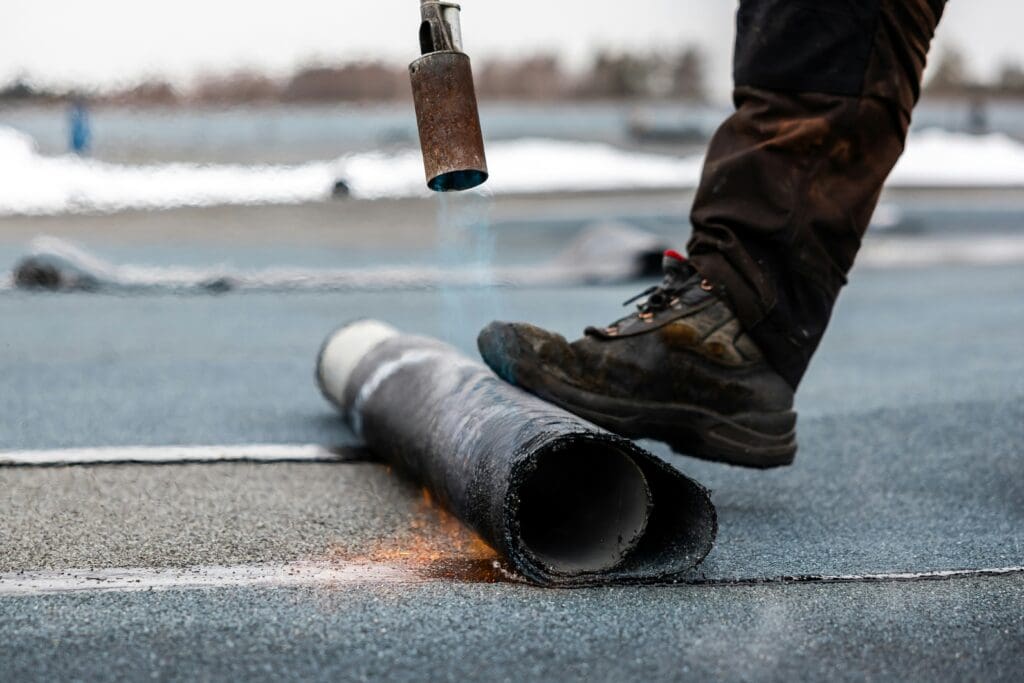
Torch-applied roofing uses rolls of asphalt-based modified bitumen. It is also called torch-on roofing because trained roofers heat the underside during installation. The heat activates the material and bonds it to the prepared surface. Overlapping sheets are heat-welded to form strong seams.
A typical system may include insulation, a cover board, a base sheet, and a protective cap sheet. Flashing is installed around drains, walls, curbs, vents, and other roof openings. Each layer supports the roof’s waterproofing and long-term performance.
Why Modified Bitumen Fits Many Los Angeles Buildings
Los Angeles roofs experience long periods of sunlight and high surface temperatures. Roofing materials expand and contract as conditions change. Modified bitumen is designed to remain flexible while providing a tough surface. Granulated or reflective cap sheets can also help protect the membrane from ultraviolet exposure.
The layered design provides added protection. If the outer surface is damaged, another membrane layer may still help resist water. This can be useful on roofs with regular maintenance traffic around HVAC units and other equipment.
Benefits of Torch-Applied Commercial Roofing Systems
When properly designed and installed, a torch-applied roof may provide:
- Strong water resistance at laps and seams
- Durable protection for flat and low-slope roofs
- Good resistance to routine foot traffic and punctures
- Flexible performance during normal temperature changes
- Granulated or reflective surface options
- Repair options for isolated membrane or flashing damage
These benefits depend on correct preparation and workmanship. Trapped moisture, weak seams, poor flashing, or blocked drainage can shorten the life of any commercial roof.
Is Your Building a Good Candidate?
A modified bitumen flat roof may suit a building with a stable deck, positive drainage, and a need for multi-layer protection. It can also work well where technicians regularly service rooftop equipment.
Before recommending the system, a commercial roofer should inspect the membrane, insulation, deck, drains, and penetrations. Moisture testing may be needed. Wet insulation and damaged decking must be addressed before the new system is installed.
Drainage deserves special attention. Even a strong membrane can suffer when water remains around low areas, clogged drains, or poorly designed equipment curbs. The inspection should confirm that water has a clear path to drains, scuppers, or gutters. Needed slope and drainage corrections should become part of the roof plan.
The contractor should also review access and business operations. Torch work near tenants, stored products, rooftop machinery, or active work areas needs careful scheduling and protection. A clear plan helps reduce disruption while keeping the crew and property safe.
What Professional Installation Should Include
Torch-applied roofing requires trained crews and strict fire-safety practices. A professional project should include:
- A complete roof and drainage inspection
- Removal or repair of damaged and wet materials
- A clean, dry, and stable installation surface
- An approved roof assembly from compatible products
- Careful heat-welding of sheets, laps, and seams
- Detailed flashing around every transition and opening
- Final seam, safety, and waterproofing checks
Open-flame work may not fit every property. Sensitive operations, combustible materials, access limits, or site rules may make another roofing method more practical. A qualified commercial roofing contractor should compare torch-applied roofing with coatings and other low-slope systems.
Property owners should also ask which manufacturer details, permits, warranties, and inspection records apply. The proposal should state the roof assembly, surface preparation, flashing work, safety controls, cleanup, and warranty responsibilities. Clear written scope helps owners compare contractors and avoid gaps after installation.
Maintain the Roof After Installation
Routine care protects the investment. Keep drains and scuppers clear. Remove debris. Limit unnecessary traffic and use approved walk paths near equipment. After rooftop work or unusual weather, check the affected areas.
Professional inspections can find open laps, loose flashing, punctures, and drainage problems early. Small repairs are usually easier to manage before moisture reaches the insulation or deck.
Contact USA Premier Roofing to schedule an inspection and learn whether a torch-applied system fits your building.
Posted in : commercial roofing, torch-applied roofing