Commercial Roofing System: TPO vs. EPDM vs. PVC
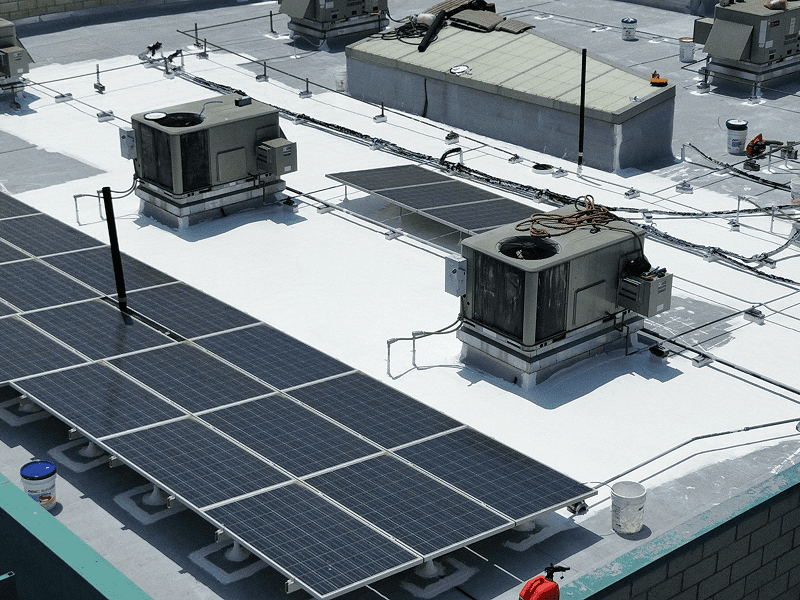
Choosing the right commercial roofing system is one of the most important decisions for property owners and facility managers in Los Angeles County. With intense sun exposure, occasional heavy rains, and strict building codes, selecting the wrong roofing material can lead to premature failure, higher energy costs, and frequent repairs.
Among the most popular options for flat and low-slope commercial roofs are TPO, EPDM, and PVC. Each commercial roofing system has its own advantages, limitations, and ideal use cases. This guide breaks them down to help you make a confident, informed decision for your building.
Understanding Commercial Roofing Systems
A commercial roofing system is designed to protect large-scale buildings such as warehouses, retail centers, office complexes, apartment buildings, and industrial facilities. Unlike residential roofs, commercial systems must withstand heavier foot traffic, mechanical equipment, and larger surface areas.
When evaluating a commercial roofing system in Los Angeles County, key considerations include:
- Heat resistance and UV performance
- Long-term durability
- Energy efficiency and cooling costs
- Installation and maintenance requirements
- Budget versus return on investment
TPO Roofing System
What Is TPO?
TPO (Thermoplastic Polyolefin) is a single-ply membrane that has become one of the most widely installed commercial roofing systems in Southern California.
Pros of a TPO Commercial Roofing System
- Highly reflective, helping reduce cooling costs in hot LA summers
- Heat-welded seams for strong leak resistance
- More affordable than PVC in most cases
- Lightweight and quick to install
Cons of a TPO Commercial Roofing System
- Quality varies depending on manufacturer
- Shorter performance history compared to EPDM
- Can become brittle if exposed to prolonged extreme heat without proper installation
Best Use Cases
TPO is ideal for office buildings, retail spaces, and warehouses focused on energy efficiency and cost control.
EPDM Roofing System
What Is EPDM?
EPDM (Ethylene Propylene Diene Monomer) is a rubber-based commercial roofing system known for its flexibility and longevity.
Pros of an EPDM Commercial Roofing System
- Exceptional durability with a lifespan of 25–30+ years
- Performs well under temperature fluctuations
- Resistant to cracking and weather-related stress
- Lower material cost
Cons of an EPDM Commercial Roofing System
- Black membrane absorbs heat, increasing cooling demands
- Seams rely on adhesives or tapes instead of heat welding
- Less energy-efficient unless paired with reflective coatings
Best Use Cases
EPDM works best for large flat roofs, such as distribution centers and industrial buildings where durability is the top priority.
PVC Roofing System
What Is PVC?
PVC (Polyvinyl Chloride) is a premium commercial roofing system commonly used in buildings with chemical or grease exposure.
Pros of a PVC Commercial Roofing System
- Superior resistance to chemicals, grease, and fire
- Heat-welded seams offer excellent waterproofing
- Highly reflective and energy efficient
- Strong performance in Los Angeles’ warm climate
Cons of a PVC Commercial Roofing System
- Higher upfront cost compared to TPO and EPDM
- Requires experienced installers to avoid long-term brittleness
Best Use Cases
PVC is ideal for restaurants, food processing plants, hospitals, and manufacturing facilities in Los Angeles County.
Comparing TPO vs. EPDM vs. PVC Commercial Roofing Systems
When comparing a commercial roofing system, consider these factors:
- Cost: EPDM is usually the least expensive, TPO offers mid-range pricing, and PVC is the most premium option.
- Energy Efficiency: TPO and PVC outperform EPDM in reducing cooling costs.
- Lifespan: EPDM and PVC typically last longer with proper maintenance.
- Maintenance: All systems require inspections, but heat-welded seams reduce leak risks.
There is no one-size-fits-all solution—the right system depends on your building’s needs.
How to Choose the Right Roofing System for Your Building
To choose the best commercial roofing system, evaluate:
- Building size and function
- Local weather exposure and sun intensity
- Energy efficiency goals
- Budget versus long-term ROI
- Los Angeles County building codes and permits
A professional commercial roof inspection is the best way to determine which system fits your property.
Roofing System Installation and Maintenance
Proper installation is just as important as material selection. Even the best commercial roofing system can fail if installed incorrectly. Routine inspections, debris removal, and proactive maintenance help extend roof lifespan and protect your investment.
A Smarter Approach to Commercial Roofing System Selection
TPO, EPDM, and PVC each offer unique advantages for commercial buildings in Los Angeles County. The right choice depends on your building type, budget, and long-term goals. Working with an experienced commercial roofing contractor ensures you get a system that delivers durability, efficiency, and peace of mind.
Schedule a Commercial Roof Inspection in Los Angeles County
Not sure which commercial roofing system is right for your building? Contact a trusted Los Angeles County commercial roofing specialist to schedule a professional inspection and receive a customized recommendation.