How Often Should a Commercial Roof Be Inspected?
A commercial roof plays a major role in protecting your building, employees, inventory, equipment, and day-to-day operations. But because most commercial roofing systems are out of sight, they are often ignored until a leak or major issue appears. Regular commercial roof inspection services help property owners catch small problems early, prevent expensive repairs, and extend the life of the roofing system.
So, how often should a commercial roof be inspected? In most cases, commercial roofs should be inspected at least twice a year, ideally once in the spring and once in the fall. Additional inspections should also be scheduled after major storms, heavy winds, extreme heat, or any event that could damage the roof.
Why Commercial Roof Inspection Matters
A commercial roof is constantly exposed to sunlight, temperature changes, rain, wind, debris, and foot traffic from maintenance crews. Over time, these conditions can weaken roofing materials, loosen flashing, damage seams, clog drains, and create openings where water can enter.
A professional commercial roof inspection helps identify these issues before they become serious. Small cracks, soft spots, standing water, or minor punctures may not seem urgent at first, but they can quickly lead to commercial roof leaks if left untreated.
Regular inspections are an important part of roof maintenance because they allow property owners to make informed decisions. Instead of waiting for visible water damage, mold, or structural issues, you can address problems while they are still manageable.
Recommended Commercial Roof Inspection Schedule
For most commercial buildings, a good inspection schedule includes:
1. Spring Roof Inspection
Spring is a good time to inspect your roof after winter weather, heavy rain, wind, or temperature changes. Even in warmer climates, seasonal shifts can still affect roofing materials. A spring inspection helps check for cracks, drainage problems, damaged flashing, and debris buildup.
This is also a good time to prepare the roof for warmer months, especially if the building has a flat or low-slope roof that receives strong sun exposure.
2. Fall Roof Inspection
A fall inspection helps prepare your commercial roof before colder or wetter seasons. During this inspection, roofing professionals can check whether the system is ready to handle increased rain, wind, or debris.
This is especially important for businesses that want to avoid disruptions during busy seasons. Finding and fixing issues in the fall can reduce the risk of emergency repairs later.
3. After Severe Weather
Commercial roofs should also be inspected after major weather events. Heavy rain, high winds, hail, falling branches, and flying debris can all damage the roof surface. Sometimes the damage is not obvious from the ground, but it can still create weak points that lead to leaks later.
After a storm, scheduling a commercial roof inspection can help confirm whether your roof is still secure or if repairs are needed.
4. After Major Rooftop Work
If HVAC technicians, electricians, solar installers, or other contractors have been on the roof, it is wise to inspect the area afterward. Foot traffic and equipment work can accidentally cause punctures, loosen materials, or affect roof penetrations.
A quick inspection after rooftop work helps make sure your roof was not damaged during the project.
Signs Your Commercial Roof Needs an Inspection
Even if you follow a regular inspection schedule, there are signs that should not be ignored. Schedule a roof inspection if you notice:
- Water stains on ceilings or walls
- Musty smells inside the building
- Bubbling or blistering on the roof surface
- Standing water after rain
- Cracked, loose, or missing roofing materials
- Clogged drains or gutters
- Higher energy bills
- Visible mold or moisture issues
- Sagging areas on the roof
- Interior leaks during or after rain
These warning signs may point to commercial roof leaks, poor drainage, aging materials, or hidden damage. The sooner these issues are checked, the easier they are to fix.
How Preventative Roofing Saves Money
Preventative roofing focuses on finding and fixing problems before they turn into expensive emergencies. Instead of waiting for a leak to damage insulation, drywall, flooring, inventory, or electrical systems, preventative maintenance helps protect the entire property.
A small repair today can help avoid a large roof replacement or business interruption later. Preventative inspections can also help extend the life of your existing roofing system. For commercial property owners, this means better budget control and fewer unexpected repair costs.
Preventative roofing may include sealing small cracks, repairing flashing, clearing drains, removing debris, fixing ponding water issues, and checking roof penetrations. These simple maintenance steps can make a major difference in the long-term performance of your roof.
What Happens During a Commercial Roof Inspection?
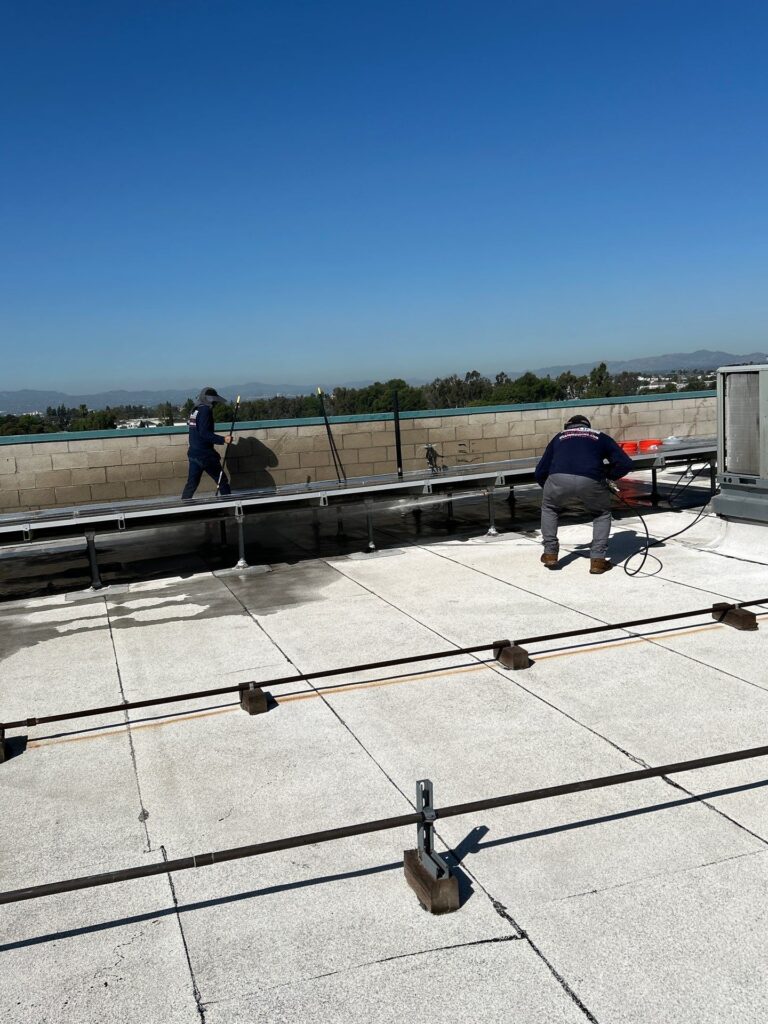
During a professional commercial roof inspection, roofing specialists typically check the full roofing system, including the roof surface, seams, flashing, drains, gutters, vents, skylights, penetrations, and surrounding areas.
They look for signs of damage, wear, moisture, poor drainage, and potential leak points. They may also document problem areas with photos and provide recommendations for repair, maintenance, or future monitoring.
The goal is not just to find current damage, but also to identify conditions that could become problems later. This makes inspections a valuable part of any long-term roof maintenance plan.
How Often Is Enough?
While twice a year is a general rule, some commercial buildings may need more frequent inspections. Roofs with heavy foot traffic, older roofing systems, flat roofs, buildings with many HVAC units, or properties in areas with harsh weather may require quarterly inspections.
The right schedule depends on the age of the roof, the type of roofing system, the building’s location, and previous repair history. A roofing professional can help recommend an inspection plan based on your property’s specific needs.
Protect Your Building With Regular Roof Inspections
A commercial roof is a major investment, and regular inspections are one of the best ways to protect it. By scheduling a commercial roof inspection at least twice a year and after severe weather, property owners can catch problems early, prevent commercial roof leaks, and avoid costly disruptions.
Consistent roof maintenance and preventative roofing help keep your building protected, improve roof performance, and extend the life of your roofing system. Instead of waiting for a leak to appear, take a proactive approach and schedule a professional inspection before small issues become expensive repairs.
Contact USA Premier Roofing for a professional roof inspection.