What Causes Ponding Water on Commercial Flat Roofs?
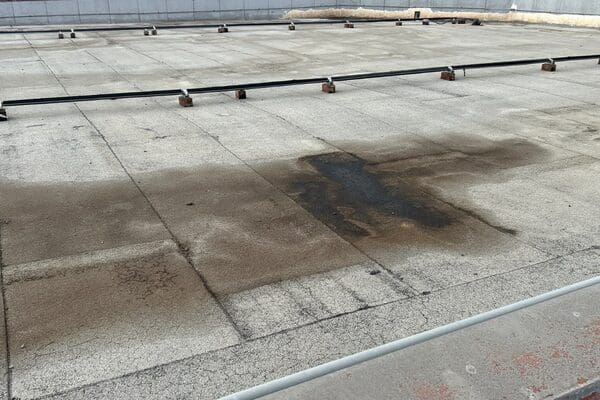
If you own or manage a commercial property in Los Angeles, you’ve probably walked your roof after a rare heavy rain and noticed puddles that just won’t drain. That’s ponding water, and it’s one of the most common (and most damaging) problems affecting commercial flat roofs today.
In the roofing industry, ponding water is officially defined as any standing water that remains on a roof surface for more than 48 hours after rainfall. While a flat roof isn’t actually meant to be perfectly flat, building codes require at least a slight slope to guide water toward drains, many issues can prevent that water from moving where it should. When it doesn’t, the weight and moisture left behind can quietly damage your roofing system long before a leak ever shows up inside your building.
In this guide, we’ll break down the most common causes of ponding water on flat roofs, why it’s a bigger problem than it looks, and how USA Premier Roofing helps Los Angeles business owners repair and prevent it.
What Causes Ponding Water on a Flat Roof?
Flat roof ponding rarely comes from a single issue, it’s usually the result of a design flaw, a maintenance gap, or wear that’s built up over time. Here are the most frequent causes we see on commercial roofs across Los Angeles.
1. Poor Roof Design or Installation
Every flat roof needs a slight slope, typically a minimum of a quarter-inch per foot, to carry water toward the drains. When a roof is installed without the correct pitch, or when the transition between a flat section and a sloped section is built incorrectly, water has nowhere to go. This is one of the most common root causes of ponding water on roof systems that are otherwise in decent condition.
2. Clogged or Undersized Roof Drains
Leaves, dirt, and debris build up fast on a low-slope commercial roof, and it doesn’t take much to block a drain or scupper. If your drainage system is also undersized for the roof’s square footage, water will move too slowly even when the drains are clear. Either way, the result is the same: water backs up and sits.
3. Compressed or Waterlogged Insulation
Commercial flat roofs aren’t built to be walked on constantly or used as storage for HVAC equipment and other heavy units. Repeated foot traffic or excess weight can compress the insulation underneath the membrane, creating low spots. Once a depression forms, it collects water every time it rains, and the added weight from that standing water only makes the sag worse over time.
4. Building Settling and Structural Movement
Buildings shift as they age. Foundation settling, ground movement, or general wear can gradually change the slope of a roof that once drained perfectly fine. Even a small shift can create a low point where water repeatedly collects, and the problem tends to compound the longer it goes unaddressed.
5. Rooftop Equipment and Penetrations
HVAC units, skylights, vent pipes, and roof hatches are common in commercial buildings, and the areas around them are notorious for poor drainage. Condensation from HVAC equipment that isn’t properly piped away can add to the problem, and any flashing that shifts or deteriorates around these features can deepen the surrounding low spot.
Why Ponding Water Is a Serious Problem
It’s tempting to treat a puddle on the roof as a minor cosmetic issue, but flat roof ponding puts real stress on your building.
- Roof Leaks and Water Damage: Standing water increases pressure on the membrane and finds its way through seams, fasteners, and any weak points over time, leading to interior damage and costly business interruption.
- Structural Stress: Water is heavy. Just one inch of ponding water adds more than 5 pounds per square foot of extra load, which can gradually deflect the roof deck and worsen the very low spot causing the problem.
- Mold, Mildew, and Algae Growth: Standing water combined with wind-blown dirt and debris creates the perfect environment for vegetative growth, which adds weight and can damage the membrane over time.
- Pests: Bugs and mosquitoes breed quickly in standing water, turning your roof into a nuisance, and sometimes attracting other pests looking for an easy meal.
- Membrane Deterioration: Prolonged exposure to standing water can cause blistering, premature aging, and breakdown of the roofing membrane, shortening the overall lifespan of your roof.
If you notice dark stains, blistering, or puddles that stick around well past a couple of days, it’s a sign your drainage system or roof structure needs professional attention.
How to Repair and Prevent Flat Roof Ponding
The right fix depends on what’s actually causing the water to sit in the first place, which is why a professional inspection always comes first. Some of the most effective repair and prevention methods include:
- Roof Inspections: A trained roofer can pinpoint low spots, drainage issues, and structural concerns before they turn into major (and expensive) repairs.
- Tapered Insulation Systems: Adding tapered insulation is one of the most reliable ways to correct a low spot and restore proper slope without a full roof replacement.
- Drain and Scupper Upgrades: Clearing, resizing, or repositioning drains ensures water has a clear, fast path off the roof.
- Reinforced Flashing and Detail Work: Reinforcing the areas around drains, penetrations, and rooftop equipment helps stop water from collecting where it’s most likely to cause damage.
- Routine Maintenance: Scheduling regular roof maintenance, ideally at least once a year, helps catch debris buildup, drain clogs, and early signs of ponding before they become structural issues.
Being proactive here is what saves property owners the most money. A roof repair addressing ponding water early is almost always less expensive than fixing the water damage, mold remediation, or structural repairs that follow if it’s ignored.
Trust USA Premier Roofing for Flat Roof Repairs in Los Angeles
Ponding water isn’t something to wait out, the longer it sits, the more damage it can cause to your commercial property. At USA Premier Roofing, we specialize in diagnosing and repairing flat roof ponding issues for commercial properties throughout Los Angeles, from drainage upgrades and tapered insulation to full roof inspections and maintenance plans.
If you’ve spotted standing water on your commercial roof, don’t wait for it to become a leak. Contact USA Premier Roofing today to schedule a professional flat roof inspection and get a clear plan to fix ponding water for good.
Posted in : commercial roof repair, commercial roofing