What to Expect During a Commercial Roof Replacement Project
A commercial roof replacement is a major investment for any business owner, property manager, or building operator. While the project may seem overwhelming at first, knowing what to expect can make the process easier to plan and manage.
From the first roof inspection to the final cleanup, a professional commercial roofing project follows a clear process. Understanding each step helps you prepare your property, reduce business disruptions, and make better decisions for your building.
Why Commercial Roof Replacement May Be Needed
Commercial roofs are designed to protect large buildings from heat, rain, wind, and daily wear. Over time, however, even a well-installed commercial roofing system can begin to break down.
Aging Commercial Roofing System
One of the most common reasons for commercial roof replacement is age. As roofing materials get older, they may lose flexibility, crack, shrink, or separate at the seams. Flat and low-slope roofs are especially vulnerable to long-term sun exposure, standing water, and temperature changes.
When the roof is near the end of its service life, repairs may only provide short-term relief. In this case, replacement may be the better long-term solution.
Frequent Roof Leaks and Water Damage
If your building has repeated roof leaks, interior water stains, mold concerns, or damaged ceiling areas, it may be time to consider replacement. Frequent leaks often mean the roofing system is no longer performing as it should.
A commercial roofing contractor can inspect the damage and determine whether repairs are enough or if a full replacement is needed.
Severe Storm or Structural Damage
Strong winds, heavy rain, falling debris, and poor drainage can all damage a commercial roof. In some cases, storm damage may affect the membrane, flashing, insulation, or roof deck. If the damage is widespread, a full roof replacement may be necessary to protect the building.
Step 1: Commercial Roof Inspection and Project Assessment
Every commercial roof replacement project should start with a professional commercial roof inspection. This gives the contractor a clear understanding of the roof’s current condition.
Reviewing Roof Condition and Damage
During the inspection, the contractor will check the roofing membrane, seams, flashing, drainage system, insulation, roof deck, and areas around vents or rooftop equipment. They will look for cracks, soft spots, ponding water, loose materials, and signs of hidden moisture.
Determining Repair vs. Roof Replacement
After the inspection, the contractor will explain whether your roof can be repaired or if replacement is the better option. If damage is isolated, repairs may be enough. But if the roof has widespread wear, recurring leaks, or moisture trapped beneath the surface, replacement may provide better long-term protection.
Step 2: Choosing the Right Commercial Roof Materials
The right commercial roof materials depend on your building type, roof slope, budget, climate, and long-term goals.
Flat Roof Replacement Options
Many commercial buildings have flat or low-slope roofs. Common flat roof replacement options include TPO, EPDM, PVC, modified bitumen, and built-up roofing systems. Each material has different strengths when it comes to durability, energy efficiency, maintenance, and cost.
A qualified commercial roofing contractor can help you choose the best option based on your property’s needs.
Energy Efficiency and Long-Term Performance
The right commercial roofing system can do more than protect your building from leaks. Some materials can help reflect heat, improve energy efficiency, and reduce strain on your HVAC system. Choosing a high-quality roofing system can also reduce maintenance costs and extend the life of your investment.
Trusted Roofing Material Partners
At USA Premier Roofing, we work with trusted roofing material partners to help provide reliable, long-lasting roofing solutions for commercial properties. Our partners include Owens Corning, ASC Building Materials, Polyglass, CertainTeed, Westlake, GAF, and MCA.
These manufacturers offer a wide range of commercial roofing materials designed for durability, weather resistance, energy efficiency, and long-term performance. Depending on your building’s needs, budget, and roof type, our team can recommend the right roofing system and materials for your project.
By using quality materials from reputable manufacturers, USA Premier Roofing helps property owners feel more confident in the strength, protection, and value of their commercial roof replacement.
Step 3: Planning the Roof Replacement Timeline
The roof replacement timeline depends on several factors, including the size of the building, type of roofing material, weather conditions, and the complexity of the project.
Preparing the Property Before Work Begins
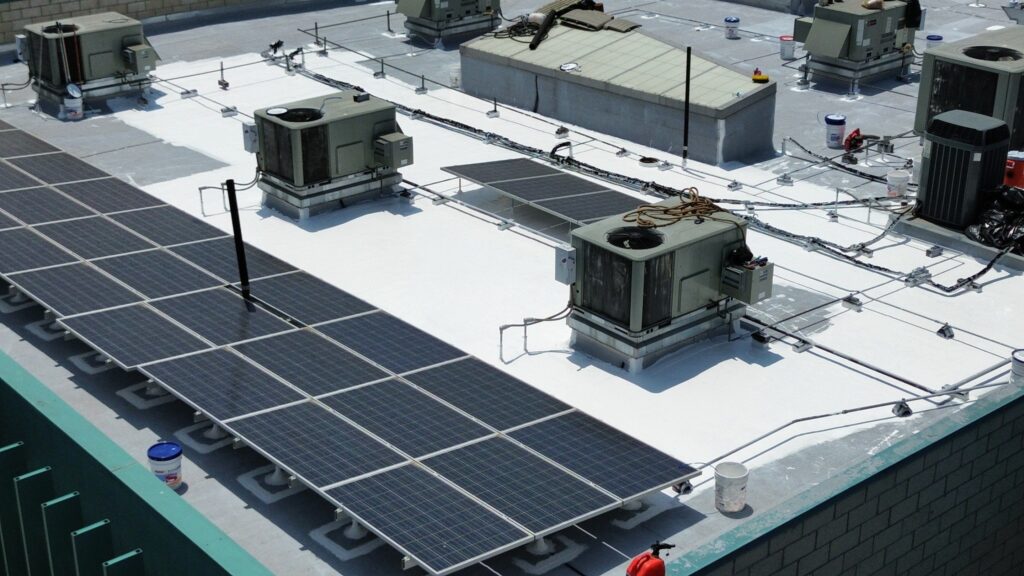
Before installation starts, your contractor may ask you to move vehicles, protect equipment, clear access areas, and notify tenants, employees, or customers. If your building has rooftop HVAC units or other equipment, the contractor will plan around those areas carefully.
Good preparation helps the project move more smoothly and safely.
Reducing Disruption During the Commercial Roofing Project
A commercial roof replacement can create noise, limited access areas, and temporary disruptions. A professional contractor will help reduce these issues by creating a clear work schedule, setting safety zones, and communicating what to expect each day.
For active businesses, the goal is to complete the project efficiently while keeping operations as normal as possible.
Step 4: Removing the Old Commercial Roof
In many cases, the old roof must be removed before the new system is installed. This process is called a tear-off.
Tear-Off and Disposal
The roofing crew removes damaged or outdated materials and disposes of them properly. This may include old membrane, insulation, flashing, or other roofing components. The tear-off process allows the contractor to see what is happening underneath the surface.
Inspecting the Roof Deck
Once the old materials are removed, the roof deck is inspected. The contractor will look for moisture damage, soft spots, rot, rust, or structural issues. Any damaged areas should be repaired before the new roofing system is installed.
This step is important because a strong roof starts with a solid foundation.
Step 5: Commercial Roof Installation
After the roof deck is ready, the commercial roof installation process begins.
Installing Insulation and Roofing Membrane
Depending on the selected system, the crew may install insulation, underlayment, and the new roofing membrane. The membrane is fastened, sealed, or adhered according to the manufacturer’s requirements and the contractor’s installation plan.
Proper installation is key to preventing leaks and helping the roof perform as expected.
Flashing, Seams, and Drainage Details
Flashing, seams, edges, drains, vents, and rooftop equipment areas require special attention. These are common areas where leaks can form if not installed correctly.
The contractor will make sure these details are sealed properly so water can move off the roof and away from vulnerable areas.
Step 6: Final Inspection and Cleanup
Once the new roof is installed, the contractor should complete a final inspection and cleanup.
Checking the Completed Roofing System
The final inspection helps confirm that the roofing system was installed properly. The contractor will check seams, flashing, drainage areas, surface condition, and overall workmanship.
This is also a good time to ask questions about maintenance and what to watch for in the future.
Removing Debris and Reviewing Warranty Details
After the project is complete, the crew should remove roofing debris, clean the work area, and leave the property safe. You should also receive warranty information, maintenance recommendations, and any important project documentation.
Working With the Right Commercial Roofing Contractor
Choosing the right commercial roofing contractor is one of the most important parts of the project. Commercial roofs require experience, proper equipment, safety planning, and knowledge of different roofing systems.
Look for Experience With Commercial Roofing Projects
Not every roofer specializes in commercial properties. Look for a contractor with experience handling commercial roof replacement, flat roof replacement, and large-scale roofing projects.
An experienced contractor can help you avoid costly mistakes and recommend the right solution for your building.
Ask About Licensing, Insurance, and Warranties
Before starting the project, ask about licensing, insurance, material options, warranty coverage, project timeline, and communication. A trustworthy contractor should be clear about the process and willing to explain your options.
A commercial roof replacement project may feel like a big undertaking, but the process becomes much easier when you know what to expect. From the initial commercial roof inspection to the final walkthrough, each step plays an important role in protecting your property.
By working with an experienced commercial roofing contractor, you can choose the right materials, plan the timeline, reduce disruptions, and install a roofing system built for long-term performance.
Planning a commercial roof replacement? Contact our team today to schedule a roof inspection and get expert recommendations for your building.
Posted in : commercial roof replacement, commercial roofing